

Featured Television Series of the Month: The Tudors (2007–10)

“You think you know the story… but not the truth.” That might as well be the tagline for The Tudors — Showtime’s steamy, stylized retelling of King Henry VIII’s notorious reign. But how much of it is fact, and how much is fabricated?
I. Historical Hotbed or Costume Soap Opera?
When The Tudors premiered in 2007, it ignited controversy, captivated audiences, and launched countless Wikipedia searches. With Jonathan Rhys Meyers as a strikingly svelte and tempestuous King Henry VIII, the series offered a cinematic remix of 16th-century court politics, religious upheaval, and bedroom betrayals. But for a series grounded in one of England’s most pivotal monarchs, The Tudors frequently favored spectacle over substance — and passion over precision.


This blog dissects where The Tudors gets history right, where it shamelessly veers into fiction, and why that matters. Whether you’re a Tudor history buff, a TV aficionado, or a fan caught in the throes of Anne Boleyn’s rise and fall, we’re unpacking the real story behind the sex, sermons, and severed heads.

II. The Real Henry VIII: More Than a Pretty Face (or Temper Tantrum)
Jonathan Rhys Meyers’ portrayal of Henry VIII is charismatic, volatile, and unrelenting — but rarely physically accurate. In real life, Henry was athletic and attractive in his youth, but grew obese and plagued by health issues in later years. Yet Showtime’s Henry stays lean, un-gray, and lustfully ageless for four full seasons.


Beyond appearances, The Tudors succeeds in capturing Henry’s political cunning and emotional volatility. His reign was one of seismic transformation: the English Reformation, dissolution of the monasteries, and establishment of the Church of England. His obsession with producing a male heir — and the failure of six marriages to satisfy that goal — set the course for decades of religious and dynastic conflict.


What’s missing is the complexity of Henry as a ruler. The show paints him as a romantic and ruthless patriarch but downplays his calculated diplomacy and the economic implications of his reign. The court intrigues are delicious, but the consequences for ordinary people — the rising poverty, religious persecution, and inflation — barely register.

III. Anne Boleyn, Catherine of Aragon, and the Women He Burned Through
One of The Tudors’ greatest strengths is its focus on the women behind the throne — especially Anne Boleyn (Natalie Dormer) and Catherine of Aragon (Maria Doyle Kennedy). But even here, artistic license often trumps accuracy.


- Catherine of Aragon is depicted with dignified stoicism, and her portrayal largely reflects the historical record. A devout Catholic and loyal queen, Catherine’s resistance to Henry’s annulment efforts was deeply rooted in both political pride and religious conviction.


- Anne Boleyn is given more narrative depth than history sometimes allows. Natalie Dormer’s Anne is seductive, ambitious, and witty — traits supported by some historical accounts — but the series leans heavily into the trope of the scheming temptress. In truth, Anne was politically astute, reform-minded, and possibly more of a Protestant sympathizer than The Tudors acknowledges.


Other wives fare worse:

- Jane Seymour (played by Annabelle Wallis) is flattened into docility.


- Anne of Cleves (played by Joss Stone) is sanitized for comic relief.


- Catherine Howard (played by Tamzin Merchant) is portrayed as a naive nymphet, which misses the broader power dynamics and coercion in her story.


- Catherine Parr (played by Joley Richardson) gets little screen time despite her significant influence as a reformist and intellectual.


While the show celebrates female beauty and intrigue, it often fails to fully explore these women as political players in their own right.

IV. What The Tudors Gets Right: The Politics of Power
Despite its liberties, The Tudors excels in capturing the vibe of Tudor power politics — cutthroat, performative, and constantly shifting. Key events are generally accurate in broad strokes:

- The break with Rome, driven by Henry’s desire to annul his first marriage, is a central throughline.

- The dissolution of monasteries and redistribution of church lands is shown with stunning visual drama.

- Figures like Thomas More (played by Jeremy Northam), Thomas Cromwell (played by James Frain), and Cardinal Wolsey (played by Sam Neill) are dramatized with a mix of reverence and narrative flair.


The show also effectively depicts the court as a web of ambition, betrayal, and survival. Characters like Charles Brandon (played by Henry Cavill) (a real historical figure, but made younger and more dashing) serve as audience surrogates in this Machiavellian maze.


V. Where It Dramatizes (and Distorts): A Selective History
The Tudors bends history for entertainment — and sometimes, for no good reason. Here are a few standout examples:
- Time Compression: Decades of events are squeezed into shorter arcs. Henry’s aging is ignored; his children barely grow up.

- Anachronisms: Language, costumes, and hairstyles reflect modern tastes. The show’s Henry sports open shirts and unbuttoned tunics better suited to a 2007 nightclub than 1530s England.

- Character Fusions and Omissions: Historical figures are condensed or removed altogether. For example, Mary Tudor’s relationship with her father and her influence are barely explored until the final season.


- Execution Fatigue: While beheadings and burnings did happen, the show revels in them for shock value. Emotional stakes sometimes get lost in the gore.


And most damning: Religious nuance is flattened. The English Reformation wasn’t just about Henry’s libido — it was a theological revolution with enormous cultural consequences. The show hints at Protestant vs. Catholic tensions but rarely dives deep.

VI. The Power of Propaganda: Why This Matters
The Tudors is historical fiction — but fiction shapes memory. When millions consume history through stylized television, what’s left out becomes just as important as what’s left in.


The show turns Henry into a Byronic hero, Anne Boleyn into a tragic seductress, and Thomas More into a saint or zealot depending on the scene. It reframes the Reformation as a romantic tragedy instead of a cultural reckoning.

In that sense, The Tudors becomes its own form of propaganda. It sells a seductive version of royal history where sex and power rule, and the nuances of policy, theology, and class struggle are sacrificed for palace intrigue.
But is that a bad thing?

VII. Entertainment vs. Education
As a piece of television, The Tudors is addictive, stylish, and emotionally engaging. It got a new generation interested in Tudor history — Googling wives, reading biographies, debating Anne Boleyn’s innocence.

As history, it’s both helpful and harmful. It opens doors but also cements myths. It prompts curiosity while occasionally misleading.

Our verdict? The Tudors isn’t a documentary, but it’s a gateway. Watch it, love it, critique it — but don’t stop there. Dig deeper into the archives, books, and scholarly work that inspired it.

Because behind the corsets and coronets lies a real story just as dramatic — and far more consequential — than anything that aired on Showtime.

💬 Join the Conversation
What do you think The Tudors got right or wrong? Did the drama enhance your understanding of history — or bury it under lace and leather?

Tag us @movies_to_history on Threads, IG, or Facebook and weigh in:
#TudorsTruth #HistoryVsTV #MoviesToHistory
📚 Continue Reading on MoviesToHistory.com:
- 🏛️ Who Was the Real Henry VIII? [Instagram Carousel]
- 🎥 5 Wild Facts About the Tudors HBO Didn’t Invent [Reel]
- 💬 Facebook Discussion: Did The Tudors Sacrifice Accuracy for Drama?
![🏛️ Who Was the Real Henry VIII? [Instagram Carousel] 🎥 5 Wild Facts About the Tudors HBO Didn’t Invent [Reel] 💬 Facebook Discussion: Did The Tudors Sacrifice Accuracy for Drama?](https://i0.wp.com/moviestohistory.com/wp-content/uploads/2025/07/IMG_6544.jpg?resize=525%2C695&ssl=1)
The Tudors is available now with a subscription to Showtime…

Discover more from Movies To History.com
Subscribe to get the latest posts sent to your email.
Related Posts
“Tower, This Is GhostRider requesting a flyby..”
Scene from Top Gun: Maverick (2022) “Tower, this is GhostRider requesting a flyby..” I’m sure you can guess already what this week’s FEATURED BLOG film is! #TopGunMaverick!! In 1986, right in the…

My Top Ten American Story Series:
Welcome to The Top Ten List! To commemorate the Featured TV Blog for the month of January, American Sports Story: Aaron Hernandez, I have gathered My Top Ten American Story Series! If you're looking for…
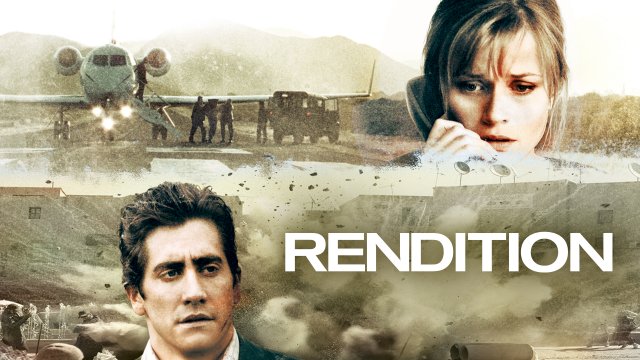
‘Rendition’ – Official Trailer:
EXTRAORDINARY MEANS OF PROTECTING A NATION... Rendition is a 2007 political thriller directed by Gavin Hood, and starring Reese Witherspoon, Jake Gyllenhaal, Meryl Streep, Peter Sarsgaard, Alan Arkin, and Omar Metwally. It centers on the controversial CIA practice of extraordinary rendition and is based on the true story of Khalid El-Masri,…