

The Women History Tried to Forget — and the Film That Brought Them Back…
In the mythology of the American Space Race, the spotlight has long been fixed on rockets, astronauts, and presidential ambition. But Hidden Figures (2016), directed by Theodore Melfi and adapted from Margot Lee Shetterly’s groundbreaking book, recalibrates that narrative with precision and urgency. It shifts the axis of heroism away from the launchpad and toward the calculating minds behind it — specifically, three African-American women whose mathematical brilliance helped propel the United States into orbit.


At the center of the film are Katherine Goble Johnson, Dorothy Vaughan, and Mary Jackson, portrayed with layered conviction by Taraji P. Henson, Octavia Spencer, and Janelle Monáe. Working within the segregated confines of NASA in the 1950s and 1960s, these women navigated not only complex aeronautical equations, but also the systemic barriers of race, gender, and institutional exclusion.


Released at a moment when conversations about representation and historical erasure were gaining renewed urgency, Hidden Figures operates as both a corrective and a celebration. It reconstructs a buried chapter of American history — one in which Black women were not peripheral contributors, but central architects of one of the nation’s defining technological achievements.


This month, in honor of Women’s History Month, MoviesToHistory.com turns its lens toward Hidden Figures not just as a film, but as a cultural intervention: a dramatization that challenges the boundaries between historical omission and cinematic storytelling.


SCROLL DOWN AND WATCH THE OFFICIAL TRAILER!
Rewriting the Equation of History…
Hidden Figures follows the intertwined professional and personal journeys of three mathematicians working at NASA’s Langley Research Center during the height of the Cold War. As the United States races against the Soviet Union to achieve dominance in space exploration, the film positions its protagonists at the nerve center of this geopolitical contest.


Katherine Johnson emerges as the film’s analytical backbone, tasked with calculating the precise trajectories required to send astronaut John Glenn into orbit — and, crucially, bring him back safely. Her work, grounded in advanced analytic geometry, becomes indispensable at a moment when computational margin for error is effectively zero.


Dorothy Vaughan, initially relegated to a supervisory role without formal recognition, anticipates the coming technological shift toward machine computing. Teaching herself and her team FORTRAN programming, she ensures their relevance — and survival — within an evolving NASA infrastructure increasingly dependent on IBM systems.


Meanwhile, Mary Jackson confronts the institutional barriers of segregation head-on, challenging a Virginia court to grant her access to an all-white engineering program. Her arc underscores the legal and structural obstacles that shaped, and often constrained, Black advancement in STEM fields during the mid-20th century.


Critically and commercially successful, Hidden Figures grossed over $236 million worldwide against a $25 million budget, signaling not only its broad audience appeal but also a cultural appetite for historically grounded stories centered on marginalized voices. The film earned multiple accolades, including a Screen Actors Guild Award for Outstanding Cast and three Academy Award nominations, including Best Picture.


Yet, as with many historical dramatizations, Hidden Figures invites scrutiny alongside praise. While widely commended for its emotional resonance and relative fidelity to real events, critics have pointed to narrative compressions and the construction of composite or exaggerated figures — most notably in discussions of the film’s “white savior” framing.
For MoviesToHistory.com, these tensions are precisely where the analysis begins.

Because Hidden Figures is more than a story about the past — it is a case study in how cinema shapes public memory, reframes historical authorship, and determines who gets to be seen, remembered, and celebrated.

Hidden Figures is available now to watch with a subscription to HBO Max…
Discover more from Movies To History.com
Subscribe to get the latest posts sent to your email.
Related Posts
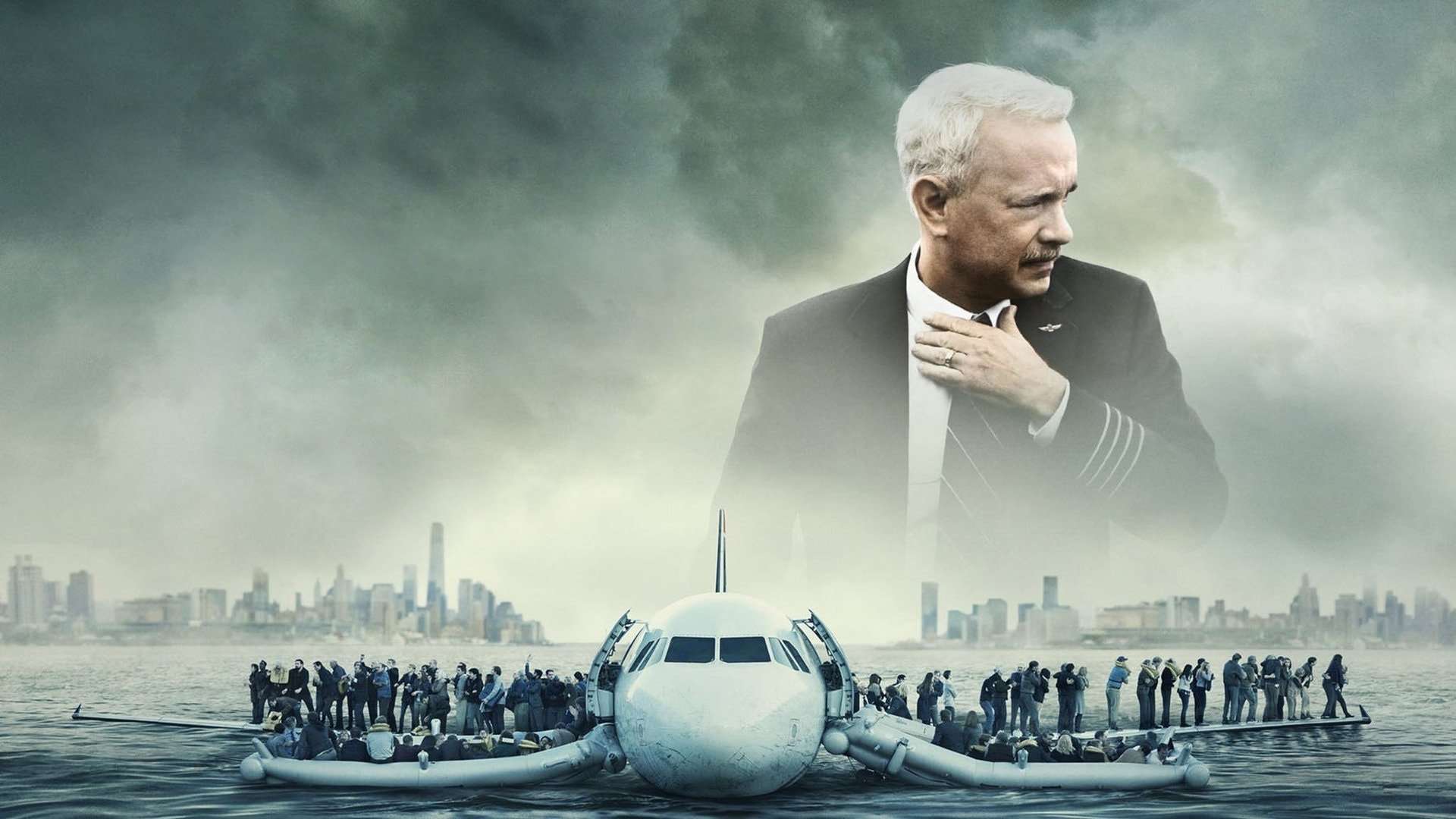
‘Sully’ – Official Trailer:
The Miracle Man... Sully is a 2016 biographical drama film directed by Clint Eastwood and written by Todd Komarnicki, based on the 2009 autobiography Highest Duty: My Search for What Really Matters by Chesley "Sully" Sullenberger and Jeffrey Zaslow. Tom Hanks stars as Sullenberger, with Aaron…
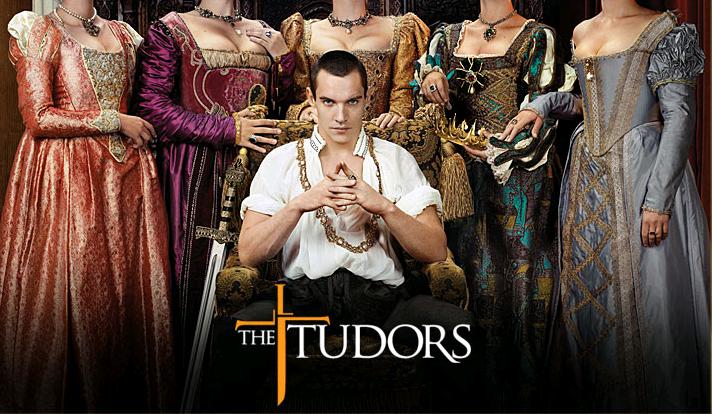
‘The Tudors’ – Official Trailer:
"Lover. Warrior. Rebel. King. Prepare for Reign…" (The Tudors) The Church & State King... The Tudors is a historical fiction television series set primarily in 16th-century England, centering on the tumultuous reign of King Henry VIII.…

A Size of Life in Film:
In Memoriam: Tom Sizemore November 29, 1961 – March 3, 2023 Tom Edward Sizemore Jr. was born on November 29, 1961, in Detroit, Michigan, USA. He grew up in a working-class family, with his mother…