
![LZ Albany: about 2.5 km (2 mi) to the northeast of X-Ray at 13°35′43″N 107°42′55″E LZ Albany Day 4: November 17 At 09:00, 1st Air Cavalry TOC submitted an Arc Light request to J3/MACV for 13:00 on 18 November. Meanwhile, the two remaining battalions abandoned LZ X-Ray and began a tactical march to new landing zones. Lt. Col. Bob Tully, commanding the 2nd Battalion, 5th Cavalry, went to LZ Columbus about 4 km (2 mi) to the northeast, and Lt. Col. Robert McDade, commanding the 2nd Battalion, 7th Cavalry, went to LZ Albany about 4 km (2 mi) to the north-northeast, close to the Ia Drang. Tully's men moved out at 09:00; McDade's followed 10 minutes later.[3]: 277 B-52s were on their way from Guam, and their target for the third day of bombing was the slopes of the Chu Pong massif and LZ X-Ray itself. The U.S. ground forces had to move outside a 2 miles (3.2 km) safety zone by midmorning to be clear of the bombardment.[44] With the two remaining battalions quietly abandoning the landing zone by land instead of by helicopters to make way for the B-52 strike any PAVN troops of the 7th and 9th Battalions at the vacated X-Ray area were caught by surprise. Events leading to an ambush The first indication of PAVN presence was observed by the reconnaissance platoon's point squad, leading the American column. SSgt. Donald J. Slovak, the squad leader, saw "Ho Chi Minh sandal foot markings, bamboo arrows on the ground pointing north, matted grass and grains of rice."[3]: 285, 286 After marching about 2,000 meters, Alpha Company (2/7) leading 2/7, headed northwest, while 2/5 continued on to LZ Columbus. Alpha Company came upon some grass huts, which they were directed to burn. At 11:38, Tully's men of 2/5, were logged into its objective, LZ Columbus. PAVN troops in the area consisted of elements the 8th Battalion, 66th Regiment, 1st Battalion, 33rd Regiment and the headquarters of the 3rd Battalion, 33rd Regiment. The 33rd Regiment's battalions were under strength from casualties incurred during the battle at the Plei Me camp, the 8th Battalion was General Chu Huy Man's reserve battalion, fresh and rested. The elements of the two PAVN battalions that were involved in the clash with the Air Cavalry troops were: 1st Company, 1st Battalion, 33rd Regiment, 2nd Company, 1st Battalion, 33rd Regiment, 6th Company, 8th Battalion, 66th Regiment, 7th Company, 8th Battalion, 66th Regiment and 8th Company, 8th Battalion, 66th Regiment. While the 2nd Battalion, 7th Cavalry was moving up northwest toward the position of 1st Battalion CP, 33rd Regiment nested at the east side of Ia Drang river, the 8th Company, 8th Battalion, 66th Regiment marched down southeast along the Ia Drang river, and the 6th Company, 8th Battalion, 66th Regiment and 7th Company, 8th Battalion, 66th Regiment marched down on a collision path toward the Air Cavalry unit. The 8th Battalion was led by Lê Xuân Phối. Alpha Company noticed the sudden absence of air cover and their commander, Capt. Joel Sugdinis, wondered where the aerial rocket artillery choppers were. He soon heard the sound of distant explosions to his rear; the B-52s were making their bombing runs on the Chu Pong massif. Lt. D. P. (Pat) Payne, the recon platoon leader, was walking around some termite hills when he suddenly came upon a PAVN soldier resting on the ground. Payne jumped on the soldier and took him prisoner. Simultaneously, about 10 yards away, his platoon sergeant captured a second PAVN soldier. Other members of the PAVN recon team may have escaped and reported to the headquarters of the 1st Battalion, 33rd Regiment. The PAVN then began to organize an assault on the American column. As word of the capture reached him, McDade ordered a halt as he went forward from the rear of the column to interrogate the prisoners personally. The two captured PAVN soldiers were policed up about 100 yards from the southwestern edge of the Albany clearing, the report of which reached division forward at Pleiku at 11:57. McDade then called his company commanders of 2/7 forward for a conference; most of whom were accompanied by their radio operators. Alpha Company moved forward to LZ Albany; McDade and his command group were with them. Following orders, the other company commanders were moving forward to join McDade. Delta Company, which was next in the column following Alpha Company, was holding in place; so was Charlie Company, which was next in line. Second Battalion Headquarters Company followed and Alpha Company, 1/5, brought up the rear of the column. The American column was halted in unprepared, open terrain and strung out in 550-yard (500 m) line of march. Most of the units had flank security posted, but the men were worn out from almost 60 hours without sleep and four hours of marching. The elephant grass was chest-high so visibility was limited. The radios for air or artillery support were with the company commanders. An hour and 10 minutes after the PAVN recon soldiers were captured, Alpha Company and McDade's command group had reached the Albany clearing. McDade and his group walked across the clearing and into a clump of trees. Beyond that clump of trees was another clearing. The remainder of the battalion was in a dispersed column to the east of the LZ. Battalion SgtMaj. James Scott and Sgt. Charles Bass then attempted to question the prisoners again. While they were doing this, Bass heard Vietnamese voices and the interpreter confirmed that these were PAVN talking. Alpha Company had been in the LZ about five minutes and about then, small arms fire began. 2nd Battalion ambushed Lt. Pat Payne's reconnaissance platoon had walked to within 200 yards (180 m) of the headquarters of the PAVN 3rd Battalion, 33rd Regiment; the 550 men of the 8th Battalion, 66th Regiment had been bivouacked to the northeast of the American column. As the Americans rested in the tall grass, PAVN soldiers were coming toward them by the hundreds. It was 13:15. The close quarters battle lasted for 16 hours. PAVN forces first struck at the head of 2nd Battalion, 7th Cavalry's column and rapidly spread down the right or east side of the column in an L-shaped ambush.[48] PAVN troops ran down the length of the column, with units peeling off to attack the outnumbered American soldiers, engaging in hand-to-hand combat. The 6th Company, 8th Battalion, 66th Regiment made contact head on with 2nd Battalion, 7th Cavalry, the 1st Company, 1st Battalion, 33rd Regiment and 2nd Company, 1st Battalion, 33rd Regiment maneuvered eastward and attacked the lower and upper flanks respectively and the 8th Company, 8th Battalion, 66th Regiment switched its direction north-westward and attacked the column from behind.[46] McDade's command group made it into the clump of trees between the two clearings of LZ Albany. They took cover from rifle and mortar fire within the trees and termite hills. The reconnaissance platoon and 1st Platoon, Alpha Company, provided initial defense at the position. By 13:26, they had been cut off from the rest of the column; the area whence they had come was full of PAVN soldiers. While they waited for air support, the Americans holding LZ Albany drove off any PAVN assaults on them and sniped at the exposed enemy wandering around the perimeter. It was later discovered that the PAVN were mopping up, looking for wounded American soldiers in the tall grass and killing them. All the while the noise of battle could be heard in the woods as the other companies fought. The 2nd Battalion, 7th Cavalry had been reduced to a small perimeter at Albany composed of survivors of Alpha Company, the recon platoon, survivors from the destroyed Charlie and Delta Companies and the command group. There was also a smaller perimeter at the rear of the column about 500–700 yards due south: Capt. George Forrest's Alpha Company, 1st Battalion, 5th Cavalry. Forrest had run a gauntlet all the way from the conference called by McDade back to his company when the PAVN mortar rounds started coming in. Charlie and Alpha companies lost 70 men in the first few minutes. Charlie Company suffered 45 dead and more than 50 wounded, the heaviest casualties of any unit that fought on Albany. USAF A-1E Skyraiders soon provided support by dropping napalm bombs, but because of the fog of war and the inter-mixing of American and PAVN troops, it is likely that air and artillery strikes killed NVA and American soldiers indiscriminately. During the battle, Lê Xuân Phôi, the PAVN field commander of 8th Battalion, 66th Regiment, was mortally wounded around one hour into the battle while personally leading one of the PAVN attacks and later died from his wounds a few hours later after nightfall. Phôi was the only high-ranking officer on either side killed in action during the battle at LZ Albany. American reinforcements arrive At 12:00, B-52s struck the areas further up north of LZ Albany and a battle damage assessment (BDA) was conducted by elements of the Cavalry in the afternoon. At 14:55, Bravo Company, 1st Battalion, 5th Cavalry under Capt. Buse Tully began marching from LZ Columbus to the rear of the 2nd Battalion, 7th Cavalry column that was about 2 miles (3.2 km) away. By 16:30, they came into contact with the Alpha Company (1/5) perimeter under Capt. Forrest. A one-helicopter landing zone was secured and the wounded were evacuated. Tully's men in 2/5 then began to push forward toward where the rest of the ambushed column would be. PAVN soldiers contested their advance and the Americans came under fire from a wood line. Tully's men assaulted the tree line and drove off the PAVN. At 18:25, orders were received to secure into a two-company perimeter for the night. They planned to resume the advance at daybreak. At around 16:00, Capt. Myron Diduryk's Bravo Company, 2nd Battalion, 7th Cavalry, veterans of the fight at LZ X-Ray, got the word that they would be deployed in the battalion's relief. At 18:45 the first helicopters swept over the Albany clearing and the troopers deployed into the tall grass. Lt. Rick Rescorla, the sole remaining platoon leader in Bravo Company, led the reinforcements into the Albany perimeter, which was expanded to provide better security. The wounded at Albany were evacuated at around 22:30 that evening, the helicopters receiving intense ground fire as they landed and took off. The Americans at Albany then settled down for the night. Photo Credit: "We Were Soldiers Once...and Young (1992)](https://i0.wp.com/moviestohistory.com/wp-content/uploads/2024/07/LZ-Albany-.webp?ssl=1)
LZ Albany: about 2.5 km (2 mi) to the northeast of X-Ray at 13°35′43″N 107°42′55″E
LZ Albany
Day 4: November 17
At 09:00, 1st Air Cavalry TOC submitted an Arc Light request to J3/MACV for 13:00 on 18 November.
Meanwhile, the two remaining battalions abandoned LZ X-Ray and began a tactical march to new landing zones. Lt. Col. Bob Tully, commanding the 2nd Battalion, 5th Cavalry, went to LZ Columbus about 4 km (2 mi) to the northeast, and Lt. Col. Robert McDade, commanding the 2nd Battalion, 7th Cavalry, went to LZ Albany about 4 km (2 mi) to the north-northeast, close to the Ia Drang. Tully’s men moved out at 09:00; McDade’s followed 10 minutes later.[3]: 277 B-52s were on their way from Guam, and their target for the third day of bombing was the slopes of the Chu Pong massif and LZ X-Ray itself. The U.S. ground forces had to move outside a 2 miles (3.2 km) safety zone by midmorning to be clear of the bombardment.[44] With the two remaining battalions quietly abandoning the landing zone by land instead of by helicopters to make way for the B-52 strike any PAVN troops of the 7th and 9th Battalions at the vacated X-Ray area were caught by surprise.
Events leading to an ambush
The first indication of PAVN presence was observed by the reconnaissance platoon’s point squad, leading the American column. SSgt. Donald J. Slovak, the squad leader, saw “Ho Chi Minh sandal foot markings, bamboo arrows on the ground pointing north, matted grass and grains of rice.”[3]: 285, 286 After marching about 2,000 meters, Alpha Company (2/7) leading 2/7, headed northwest, while 2/5 continued on to LZ Columbus. Alpha Company came upon some grass huts, which they were directed to burn. At 11:38, Tully’s men of 2/5, were logged into its objective, LZ Columbus. PAVN troops in the area consisted of elements the 8th Battalion, 66th Regiment, 1st Battalion, 33rd Regiment and the headquarters of the 3rd Battalion, 33rd Regiment. The 33rd Regiment’s battalions were under strength from casualties incurred during the battle at the Plei Me camp, the 8th Battalion was General Chu Huy Man’s reserve battalion, fresh and rested.
The elements of the two PAVN battalions that were involved in the clash with the Air Cavalry troops were: 1st Company, 1st Battalion, 33rd Regiment, 2nd Company, 1st Battalion, 33rd Regiment, 6th Company, 8th Battalion, 66th Regiment, 7th Company, 8th Battalion, 66th Regiment and 8th Company, 8th Battalion, 66th Regiment. While the 2nd Battalion, 7th Cavalry was moving up northwest toward the position of 1st Battalion CP, 33rd Regiment nested at the east side of Ia Drang river, the 8th Company, 8th Battalion, 66th Regiment marched down southeast along the Ia Drang river, and the 6th Company, 8th Battalion, 66th Regiment and 7th Company, 8th Battalion, 66th Regiment marched down on a collision path toward the Air Cavalry unit. The 8th Battalion was led by Lê Xuân Phối.
Alpha Company noticed the sudden absence of air cover and their commander, Capt. Joel Sugdinis, wondered where the aerial rocket artillery choppers were. He soon heard the sound of distant explosions to his rear; the B-52s were making their bombing runs on the Chu Pong massif. Lt. D. P. (Pat) Payne, the recon platoon leader, was walking around some termite hills when he suddenly came upon a PAVN soldier resting on the ground. Payne jumped on the soldier and took him prisoner. Simultaneously, about 10 yards away, his platoon sergeant captured a second PAVN soldier. Other members of the PAVN recon team may have escaped and reported to the headquarters of the 1st Battalion, 33rd Regiment. The PAVN then began to organize an assault on the American column. As word of the capture reached him, McDade ordered a halt as he went forward from the rear of the column to interrogate the prisoners personally. The two captured PAVN soldiers were policed up about 100 yards from the southwestern edge of the Albany clearing, the report of which reached division forward at Pleiku at 11:57.
McDade then called his company commanders of 2/7 forward for a conference; most of whom were accompanied by their radio operators. Alpha Company moved forward to LZ Albany; McDade and his command group were with them. Following orders, the other company commanders were moving forward to join McDade. Delta Company, which was next in the column following Alpha Company, was holding in place; so was Charlie Company, which was next in line. Second Battalion Headquarters Company followed and Alpha Company, 1/5, brought up the rear of the column. The American column was halted in unprepared, open terrain and strung out in 550-yard (500 m) line of march. Most of the units had flank security posted, but the men were worn out from almost 60 hours without sleep and four hours of marching. The elephant grass was chest-high so visibility was limited. The radios for air or artillery support were with the company commanders.
An hour and 10 minutes after the PAVN recon soldiers were captured, Alpha Company and McDade’s command group had reached the Albany clearing. McDade and his group walked across the clearing and into a clump of trees. Beyond that clump of trees was another clearing. The remainder of the battalion was in a dispersed column to the east of the LZ. Battalion SgtMaj. James Scott and Sgt. Charles Bass then attempted to question the prisoners again. While they were doing this, Bass heard Vietnamese voices and the interpreter confirmed that these were PAVN talking. Alpha Company had been in the LZ about five minutes and about then, small arms fire began.
2nd Battalion ambushed
Lt. Pat Payne’s reconnaissance platoon had walked to within 200 yards (180 m) of the headquarters of the PAVN 3rd Battalion, 33rd Regiment; the 550 men of the 8th Battalion, 66th Regiment had been bivouacked to the northeast of the American column. As the Americans rested in the tall grass, PAVN soldiers were coming toward them by the hundreds. It was 13:15. The close quarters battle lasted for 16 hours. PAVN forces first struck at the head of 2nd Battalion, 7th Cavalry’s column and rapidly spread down the right or east side of the column in an L-shaped ambush.[48] PAVN troops ran down the length of the column, with units peeling off to attack the outnumbered American soldiers, engaging in hand-to-hand combat.
The 6th Company, 8th Battalion, 66th Regiment made contact head on with 2nd Battalion, 7th Cavalry, the 1st Company, 1st Battalion, 33rd Regiment and 2nd Company, 1st Battalion, 33rd Regiment maneuvered eastward and attacked the lower and upper flanks respectively and the 8th Company, 8th Battalion, 66th Regiment switched its direction north-westward and attacked the column from behind.[46] McDade’s command group made it into the clump of trees between the two clearings of LZ Albany. They took cover from rifle and mortar fire within the trees and termite hills. The reconnaissance platoon and 1st Platoon, Alpha Company, provided initial defense at the position. By 13:26, they had been cut off from the rest of the column; the area whence they had come was full of PAVN soldiers. While they waited for air support, the Americans holding LZ Albany drove off any PAVN assaults on them and sniped at the exposed enemy wandering around the perimeter. It was later discovered that the PAVN were mopping up, looking for wounded American soldiers in the tall grass and killing them.
All the while the noise of battle could be heard in the woods as the other companies fought. The 2nd Battalion, 7th Cavalry had been reduced to a small perimeter at Albany composed of survivors of Alpha Company, the recon platoon, survivors from the destroyed Charlie and Delta Companies and the command group. There was also a smaller perimeter at the rear of the column about 500–700 yards due south: Capt. George Forrest’s Alpha Company, 1st Battalion, 5th Cavalry. Forrest had run a gauntlet all the way from the conference called by McDade back to his company when the PAVN mortar rounds started coming in. Charlie and Alpha companies lost 70 men in the first few minutes. Charlie Company suffered 45 dead and more than 50 wounded, the heaviest casualties of any unit that fought on Albany. USAF A-1E Skyraiders soon provided support by dropping napalm bombs, but because of the fog of war and the inter-mixing of American and PAVN troops, it is likely that air and artillery strikes killed NVA and American soldiers indiscriminately. During the battle, Lê Xuân Phôi, the PAVN field commander of 8th Battalion, 66th Regiment, was mortally wounded around one hour into the battle while personally leading one of the PAVN attacks and later died from his wounds a few hours later after nightfall. Phôi was the only high-ranking officer on either side killed in action during the battle at LZ Albany.
American reinforcements arrive
At 12:00, B-52s struck the areas further up north of LZ Albany and a battle damage assessment (BDA) was conducted by elements of the Cavalry in the afternoon. At 14:55, Bravo Company, 1st Battalion, 5th Cavalry under Capt. Buse Tully began marching from LZ Columbus to the rear of the 2nd Battalion, 7th Cavalry column that was about 2 miles (3.2 km) away. By 16:30, they came into contact with the Alpha Company (1/5) perimeter under Capt. Forrest. A one-helicopter landing zone was secured and the wounded were evacuated. Tully’s men in 2/5 then began to push forward toward where the rest of the ambushed column would be. PAVN soldiers contested their advance and the Americans came under fire from a wood line. Tully’s men assaulted the tree line and drove off the PAVN. At 18:25, orders were received to secure into a two-company perimeter for the night. They planned to resume the advance at daybreak.
At around 16:00, Capt. Myron Diduryk’s Bravo Company, 2nd Battalion, 7th Cavalry, veterans of the fight at LZ X-Ray, got the word that they would be deployed in the battalion’s relief. At 18:45 the first helicopters swept over the Albany clearing and the troopers deployed into the tall grass. Lt. Rick Rescorla, the sole remaining platoon leader in Bravo Company, led the reinforcements into the Albany perimeter, which was expanded to provide better security. The wounded at Albany were evacuated at around 22:30 that evening, the helicopters receiving intense ground fire as they landed and took off. The Americans at Albany then settled down for the night.
Photo Credit: “We Were Soldiers Once…and Young (1992)
Discover more from Movies To History.com
Subscribe to get the latest posts sent to your email.
Related Posts
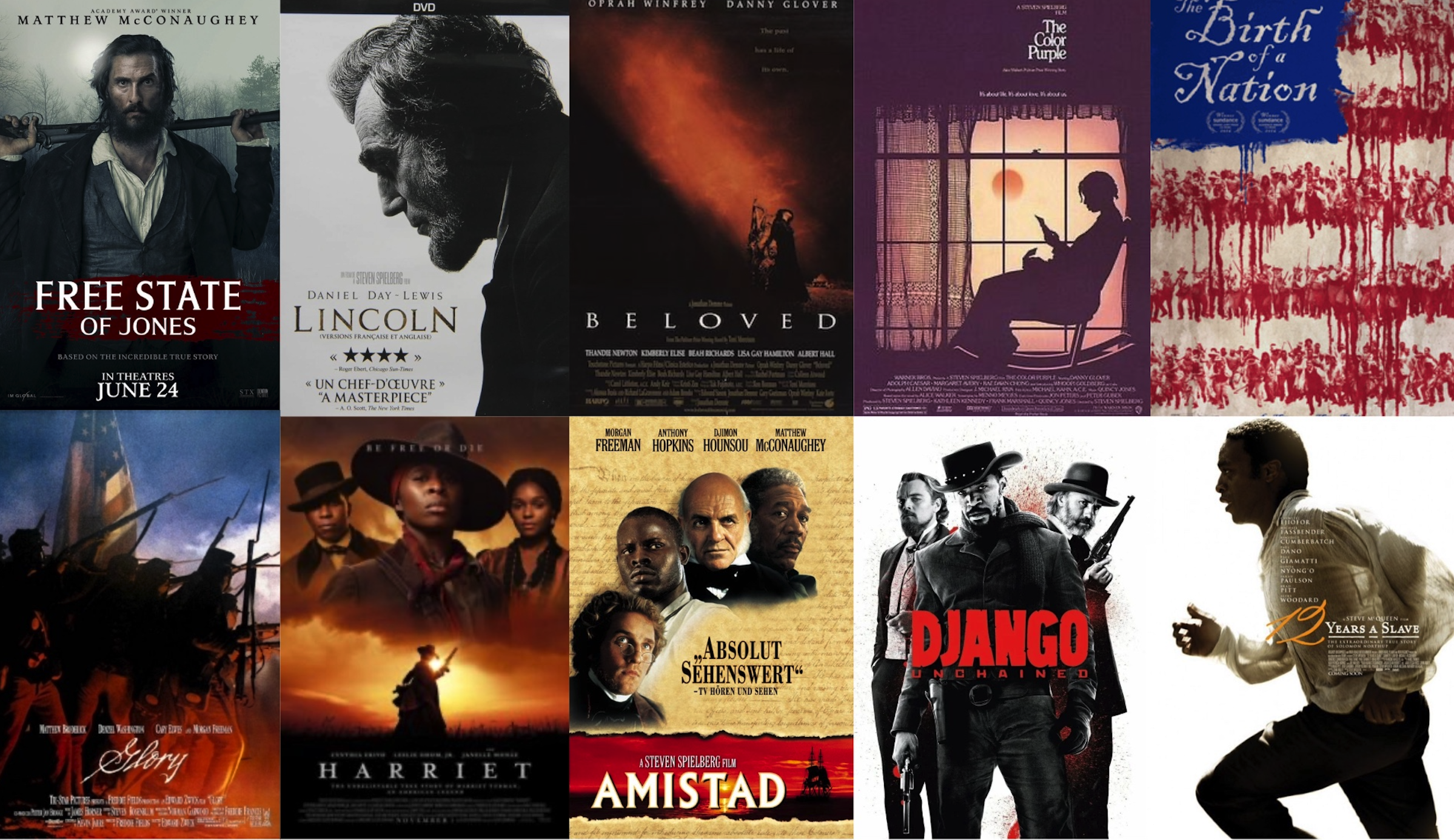
My Top Ten Slavery Movies:
My Top Ten Slavery Movies: The Films That Preserve the History of America’s Greatest Injustice... Every June, as we commemorate Juneteenth, we remember one of the most significant milestones in American history—the day in 1865 when…
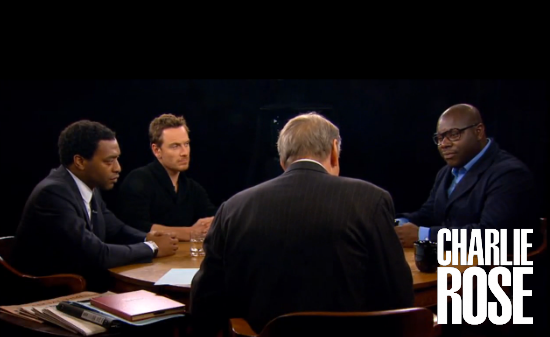
’12 Years a Slave’ (2013) – Interview:
Steve McQueen: Why I Made 12 Years a Slave... Before 12 Years a Slave became one of the most acclaimed historical films of the 21st century, director Steve McQueen and stars Chiwetel Ejiofor and Michael Fassbender sat…
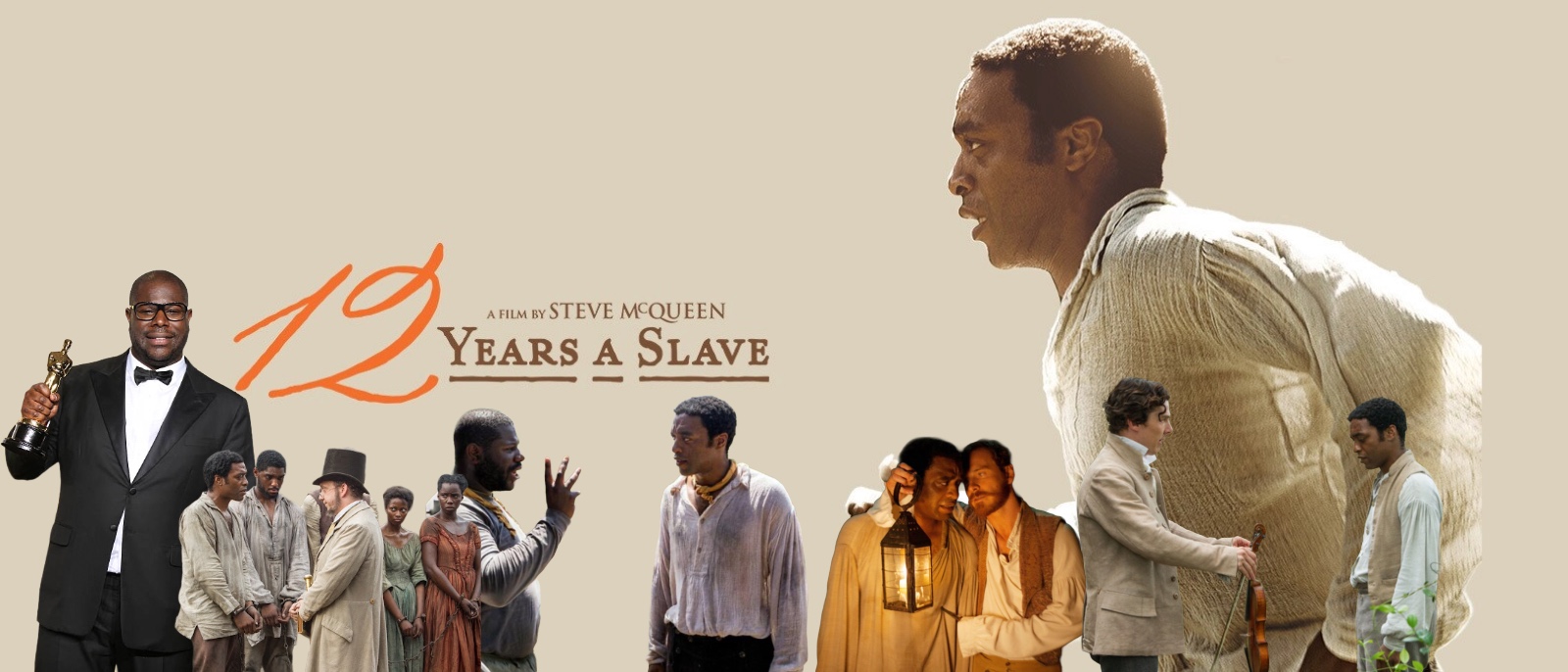
Why ’12 Years a Slave’ Is One of the Most Historically Accurate Films Ever Made:
Part I: A Film That Refused to Look Away Few historical films have altered public conversations about the past as profoundly as 12 Years a Slave (2013). Directed by Steve McQueen and adapted by John Ridley from…
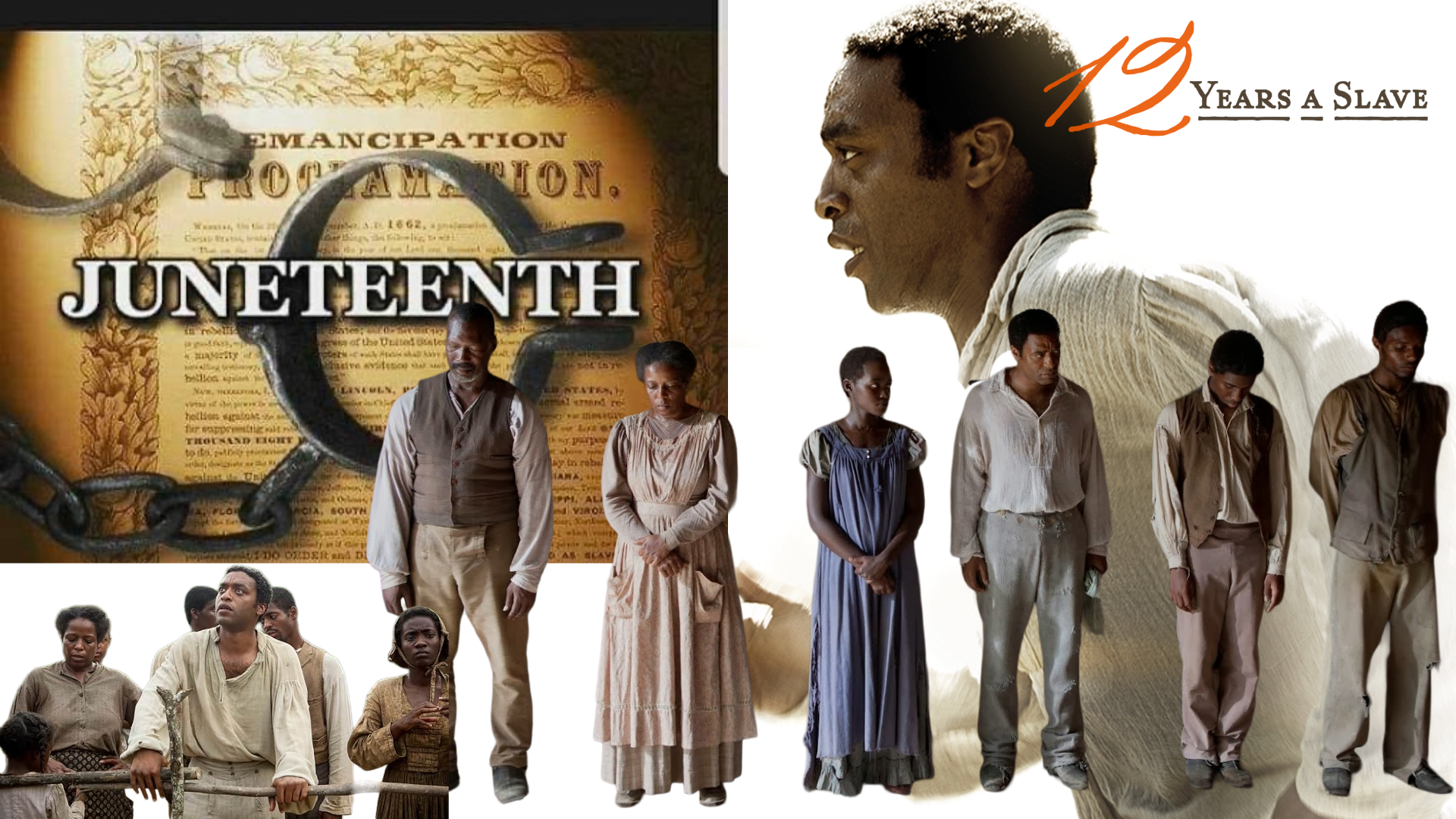
Juneteenth and the Long Road to Freedom: What ’12 Years a Slave’ Teaches About Emancipation:
Freedom Was Not a Single Moment—It Was a Long, Uneven Journey When audiences watch 12 Years a Slave, they witness one man’s extraordinary struggle to reclaim the freedom that was stolen from him. Solomon Northup’s (Chiwetel_Ejiofor)…
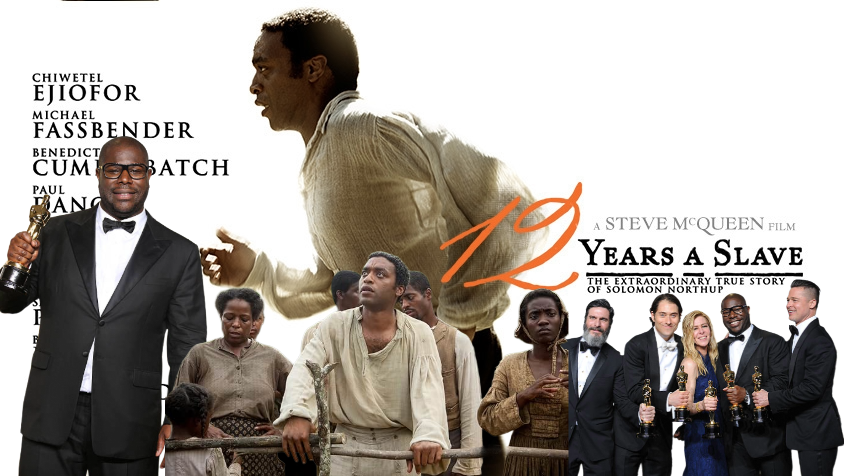
12 Years a Slave vs. History: How Accurate Is Steve McQueen’s Oscar-Winning Masterpiece?
Accuracy Meter CategoryRatingHistorical Events100%Character Portrayals98%Costumes & Setting99%Social Context100%Dramatic EmbellishmentMinimal Overall Historical Accuracy ★★★★★ (98%) When Steve McQueen’s 12 Years a Slave premiered in 2013, audiences and critics alike recognized that they were witnessing something profoundly different from…
![Directed by Steve McQueen Screenplay by John Ridley Based on Twelve Years a Slave by Solomon Northup Produced by Brad Pitt Dede Gardner Jeremy Kleiner Bill Pohlad Steve McQueen Arnon Milchan Anthony Katagas Starring Chiwetel Ejiofor Michael Fassbender Benedict Cumberbatch Paul Dano Paul Giamatti Lupita Nyong'o Sarah Paulson Brad Pitt Alfre Woodard Cinematography Sean Bobbitt Edited by Joe Walker Music by Hans Zimmer Production companies Regency Enterprises[1] River Road Entertainment[1] Plan B Entertainment[1] Film4[1] Distributed by Fox Searchlight Pictures (United States and Canada)[1] Entertainment One (United Kingdom)[2] Summit Entertainment (International)[3][2]](https://moviestohistory.com/wp-content/uploads/2026/06/IMG_1285.jpg)
’12 Years a Slave’ (2013) – Official Trailer:
As we commemorate Juneteenth, a day honoring the end of slavery in the United States and celebrating the resilience, freedom, and enduring contributions of Black Americans, MoviesToHistory.com is proud to spotlight Steve McQueen’s Academy Award-winning masterpiece 12 Years a…

My Top Ten Kennedy Series:
For more than six decades, the Kennedy family has remained one of the most fascinating subjects in American television. Their story is one of extraordinary political achievement, unimaginable personal tragedy, media obsession, and enduring cultural…

My Top Ten Rob Reiner Movies:
Only a small number of filmmakers have shaped modern American cinema with as much heart, wit, and range as Rob Reiner. From courtroom dramas to coming-of-age classics, from romantic comedies to razor-sharp satire, Reiner’s work consistently…

Rob Reiner and the Art of Popular Integrity:
In Memoriam: Rob Reiner March 6, 1947 - December 14, 2025 Director Rob Reiner and Wife Found Dead in Brentwood Home... Hollywood mourned the tragic loss of Rob Reiner, the beloved actor, director, producer, and cultural…

‘The Offer’ – Interview:
In this interview with Pillot Productions' Dempsey Pillot, the cast of the Paramount+ limited series The Offer discuss making the behind the scenes story of the production of The Godfather in 1972 for Paramount Pictures.…

JFK vs. History: What the Film Gets Right — and Dangerously Wrong:
When Oliver Stone released JFK in 1991, he did more than revive public interest in the assassination of President John F. Kennedy. He fundamentally reshaped how millions of Americans understood one of the most studied events in modern history.…
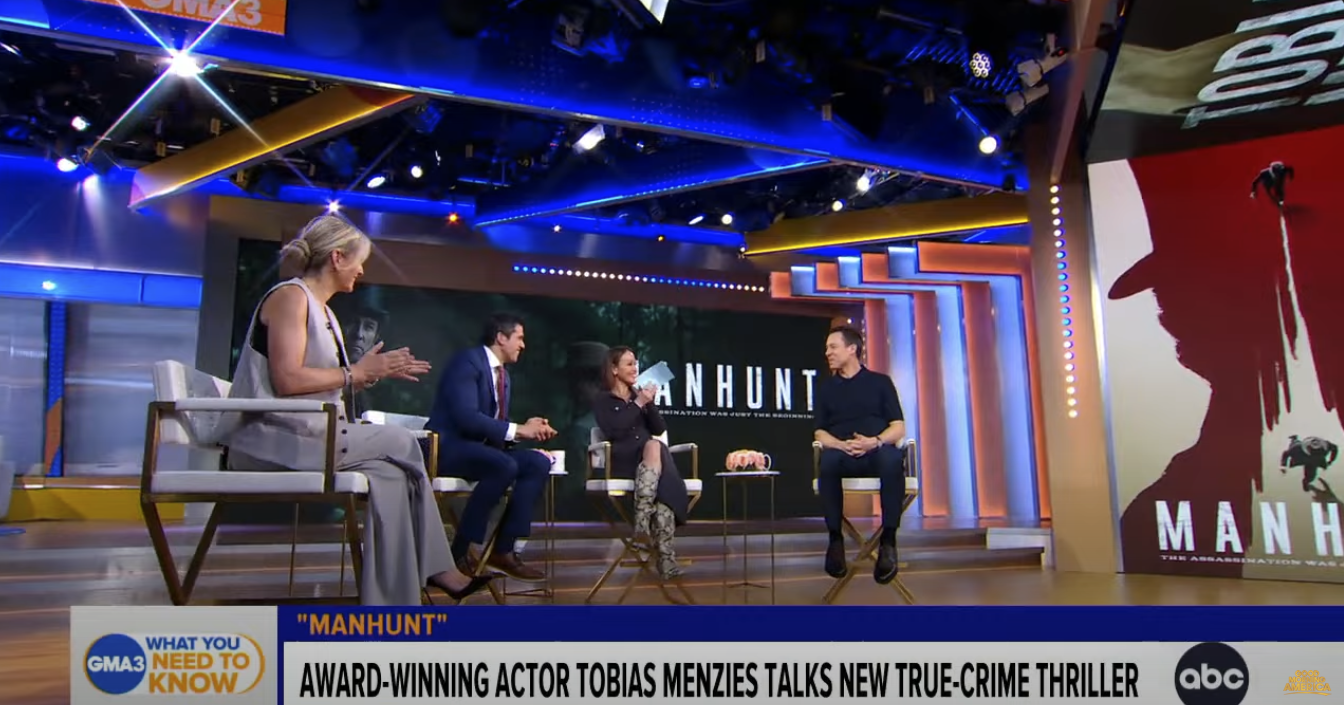
‘Manhunt’ – Interview:
Award-Winning Actor Tobias Menzies Talks New True Crime Thriller... On March 14, 2024, Tobias Menzies appeared on Good Morning America to discuss his role as Edwin Stanton in the Apple TV+ miniseries Manhunt. The miniseries,…