

Horse racing is one of the most cinematic sports to portray — it’s fast, emotional, and deeply symbolic. But as Luck revealed, the cost of that spectacle can be devastating.

This blog post examines how films and TV shows have handled the ethical questions surrounding horse racing, and asks whether audiences are ready to rethink how these stories are told.


Secretariat and the Sanitized Story
While Secretariat was inspirational, it avoided any mention of doping, breakdowns, or animal treatment controversies common in the sport. The film framed racing as a family-friendly tale of triumph.


Luck and Harsh Reality
In contrast, Luck went the other way. It exposed the underbelly of the racing world: gambling, exploitation, and the physical toll on both horses and humans. Ironically, it was a show about racing’s risks that became a real-life example of them.


Where Is the Line?
The film industry has long operated under “No Animals Were Harmed” disclaimers, but recent controversies have shown those standards may not be enough. As viewers grow more ethically conscious, especially regarding animal welfare, filmmakers are under greater pressure to both portray and protect their subjects.

Verdict: As long as horses remain at the center of dramatic storytelling, the ethics of how they’re treated — on screen and off — will demand closer attention.


Coming Soon on MoviesToHistory.com

Your destination for untangling truth from storytelling — one film at a time.
Discover more from Movies To History.com
Subscribe to get the latest posts sent to your email.
Related Posts

‘Zero Dark Thirty’ – Official Trailer:
Justice at Zero Dark Thirty... Zero Dark Thirty is a 2012 political thriller film directed by Kathryn Bigelow and written by Mark Boal. The film is Independently financed by Megan Ellison at Annapurna Pictures, and produced along with…
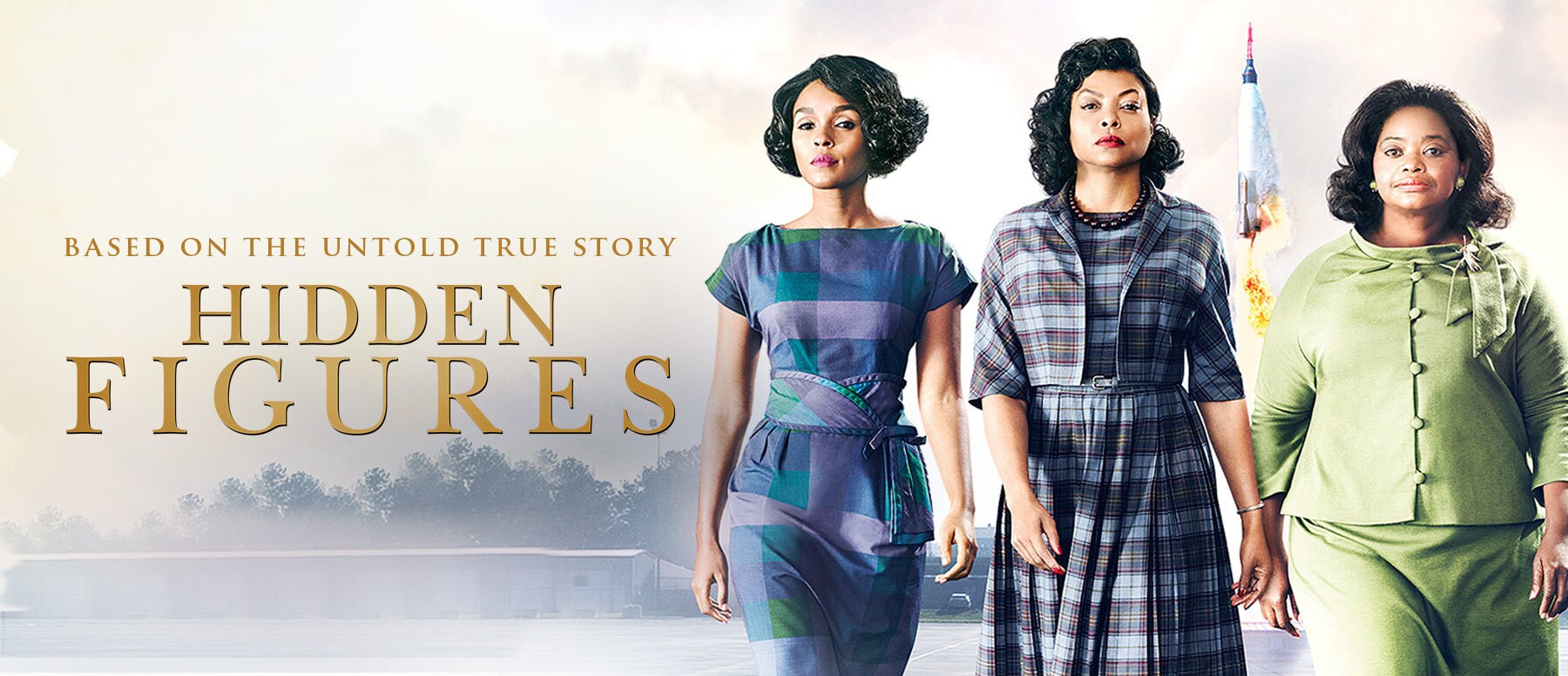
‘Hidden Figures’ (2016) – Official Trailer:
The Women History Tried to Forget — and the Film That Brought Them Back... In the mythology of the American Space Race, the spotlight has long been fixed on rockets, astronauts, and presidential ambition. But Hidden…
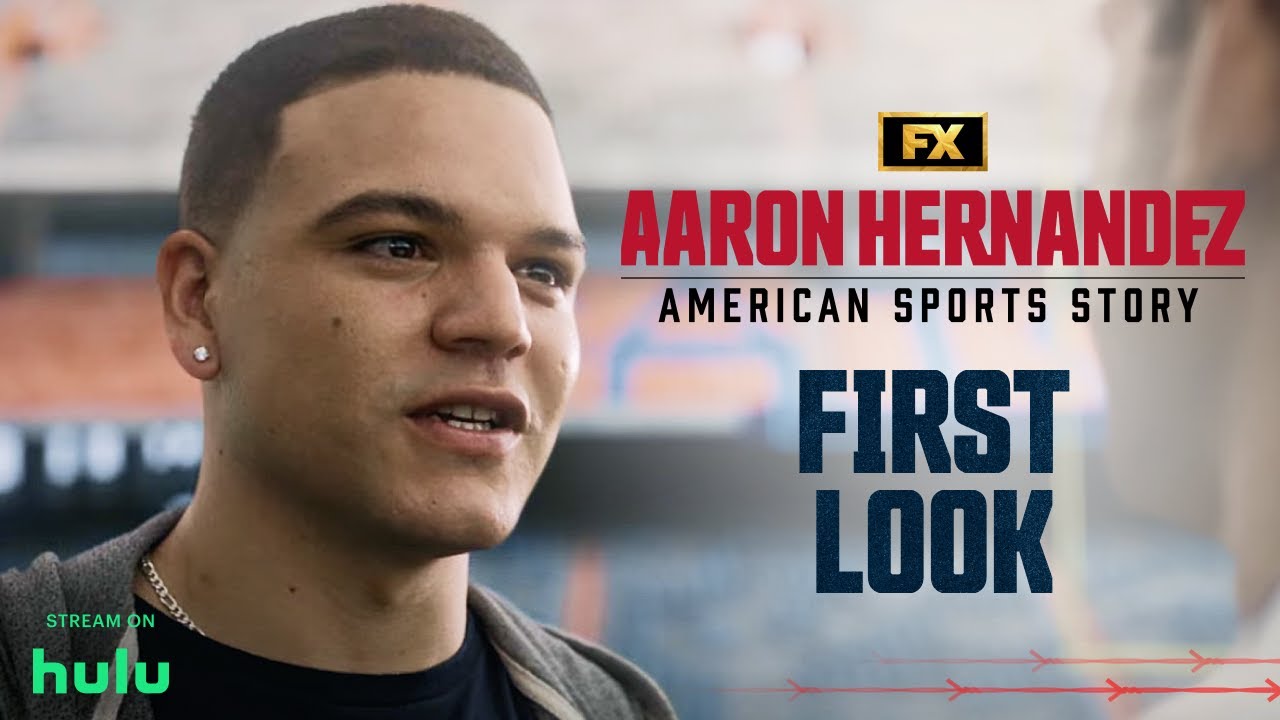
‘American Sports Story: Aaron Hernandez’ – Interview:
American Sports Story: Aaron Hernandez: First Look... Get a First Look at the first installment of American Sports Story, charting the rise and fall of football superstar Aaron Hernandez as he battles demons on and…