

Week 4: Legacy & Impact
When HBO’s Boardwalk Empire premiered in 2010, it promised more than just a gritty tale of Prohibition-era corruption. It delivered an ambitious dramatization of America’s volatile transformation during the 1920s and 1930s, centering on the blurred line between political influence and organized crime. Over five seasons, the series became a meditation on the cost of power, the price of vice, and the shadowy truths that still ripple through American history.


But more than a prestige crime drama, Boardwalk Empire left a legacy — both in how it depicted history and how it reframed our understanding of it.

The Real Boardwalk: Fact, Fiction, and Enoch L. Johnson
At the heart of the series stands Enoch “Nucky” Thompson, portrayed by Steve Buscemi. While the character is a composite creation, he’s rooted in the real-life figure of Enoch “Nucky” Johnson — a political boss and racketeer who ruled Atlantic City with a carnation in his lapel and cash in every pocket of City Hall. The show takes liberties with timelines, motivations, and side characters, but it doesn’t shy away from showing the mechanisms of political corruption that defined the era.


The real Nucky didn’t pull triggers or shoot up speakeasies, but he did control law enforcement, elections, and the liquor supply chain. Like Thompson, he operated at the nexus of law and lawlessness — and profited handsomely from it.


The Truth Behind the Prohibition Myth
One of Boardwalk Empire’s greatest strengths is its textured portrayal of Prohibition not just as a legal event, but as a cultural turning point. The rise of speakeasies, the enforcement chaos, and the power vacuum that allowed organized crime to flourish are all dramatized with accuracy.


The show doesn’t glamorize bootlegging — it lays bare the human cost of prohibition: murdered rivals, corrupted officials, and entire cities built on bribes. Atlantic City was known as “The World’s Playground” — and the show makes it clear who paid for the party.


Vice as Currency: Sex, Politics, and Crime
What made Boardwalk Empire exceptional was its refusal to separate politics from vice. Characters like Chalky White, Arnold Rothstein, Al Capone, and Meyer Lansky represent real historical figures whose criminal empires were intertwined with systemic racial inequality, political opportunism, and media manipulation.


In the show’s world, political campaigns are funded by illegal alcohol profits. Brothels double as negotiation rooms. The line between mayor and mob boss is almost invisible. It’s not just drama — it’s disturbingly close to how American politics worked in the era (and in some ways, still does).

The Role of Violence: A Narrative and Historic Tool
Violence in Boardwalk Empire is both shocking and narratively meaningful. It’s not just for spectacle. From the murder of Jimmy Darmody (Michael Pitt) to the rise and fall of Gyp Rosetti (Bobby_Cannavale), violence serves as a stand-in for historical conflict: gang turf wars, power grabs, and systemic enforcement of control.


Atlantic City’s underworld wasn’t fictionally bloody — it really was a city where political enemies disappeared, police departments were bought, and silence was enforced through fear. The show confronts viewers with the idea that America’s success stories are often built on ruthless ambition.


What Legacy Did Boardwalk Empire Leave Behind?
In historical television, few series have been as ambitious or historically committed as Boardwalk Empire. While some critics faulted the show’s pacing or its eventual shift from ensemble drama to Nucky’s inner life, there’s no denying its impact.

It opened a gateway for viewers to learn about real-life figures like Nucky Johnson, Luciano, and Rothstein — while also starting conversations about how America’s past shaped its present political and criminal structures. The show’s gritty tone, rich cinematography, and dedication to period detail made it a benchmark in historical drama.


Final Thoughts: Truth Through Fiction
Boardwalk Empire doesn’t just entertain — it educates, provokes, and haunts. It invites us to ask: how much of our modern political landscape is rooted in this unchecked marriage of money, influence, and violence? And if history is written by the victors, what happens when the victors are gangsters in pinstripes?


In dramatizing the rise of vice, the series reveals a fundamental truth about American history: it’s not just shaped by ideals — it’s forged in contradiction.

📍 Explore more real history behind dramatized stories every week

Boardwalk Empire is available now with a subscription to Max…

Discover more from Movies To History.com
Subscribe to get the latest posts sent to your email.
Related Posts
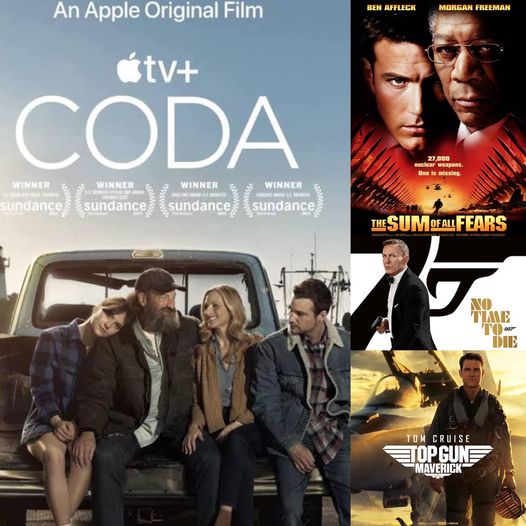
Upcoming Blog Topics:
Upcoming Blog Topics for April: Below are some of the movies and discussions for upcoming blog topics in April: “CODA” “Best Picture” Winner at the 94th Academy Awards – (Featured Blog) “Sum of All…
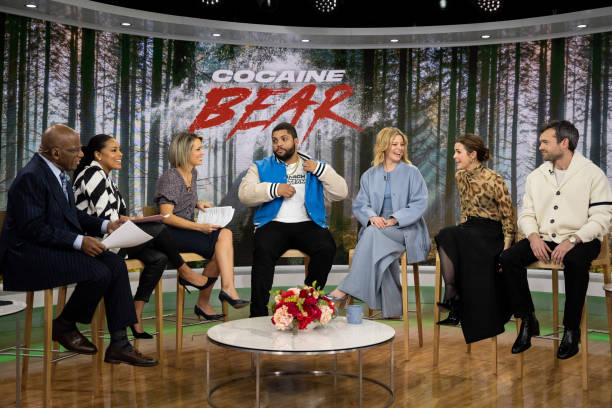
‘Cocaine Bear’ – Interview:
Cocaine Bear Stars Live in Studio 1A... On February 15 2023, director Elizabeth Banks and stars Keri Russell, O'Shea Jackson Jr. and Alden Ehrenreich sat down for an interview with Today show anchors Al Roker,…
![The 77th Primetime Emmy Awards will honor the best in American prime time television programming from June 1, 2024, until May 31, 2025, as chosen by the Academy of Television Arts & Sciences.[1] The awards ceremony is scheduled for September 14, 2025, at the Peacock Theater in Downtown Los Angeles, California, with CBS and Paramount+ airing the ceremony.[2][3] Nate Bargatze will host the ceremony.](https://moviestohistory.com/wp-content/uploads/2025/09/77th_Primetime_Emmy_Awards.jpg)
77th Primetime Emmy Awards – The 2025 Nominations:
The Primetime Emmy Awards, an annual celebration of outstanding achievements in television, continues to honor the remarkable talents and exceptional productions that captivate audiences worldwide. The 77th Primetime Emmy Awards, are set to take place…