

The Cold War was a period of geopolitical tension between the United States and the Soviet Union and their respective allies, the Western Bloc and the Eastern Bloc, that started in 1947, two years after the end of World War II, and lasted until the fall of the Soviet Union in 1991.
The term cold war is used because there was no large-scale fighting directly between the two superpowers, but they each supported opposing sides in major regional conflicts, known as proxy wars.
The Cold War was based on an ideological and geopolitical struggle for global influence by these two superpowers, following their roles as the Allies of World War II that led to victory against Nazi Germany and Imperial Japan in 1945. Aside from the nuclear arms race and conventional military deployment, the struggle for dominance was expressed indirectly, such as psychological warfare, propaganda campaigns, espionage, far-reaching embargoes, sports diplomacy, and technological competitions like the Space Race. The Cold War began with the announcement of the Truman Doctrine in 1947, started a gradual winding down with the Sino-Soviet split between the Soviets and the People’s Republic of China in 1961, and ended with the collapse of the Soviet Union in 1991.
The Western Bloc was led by the United States, as well as a number of First World nations that were generally capitalist and liberal democratic but tied to a network of often authoritarian Third World states, most of which were the European powers’ former colonies. The Eastern Bloc was led by the Soviet Union and its communist party, which had an influence across the Second World and was also tied to a network of authoritarian states. The Soviet Union had a command economy and installed similarly communist regimes in its satellite states. United States involvement in regime change during the Cold War included support for anti-communist and right-wing dictatorships, governments, and uprisings across the world, while Soviet involvement in regime change included the funding of left-wing parties, wars of independence, revolutions and dictatorships around the world. As nearly all the colonial states underwent decolonization and achieved independence in the period from 1945 to 1960, many became Third World battlefields in the Cold War.
Related Posts
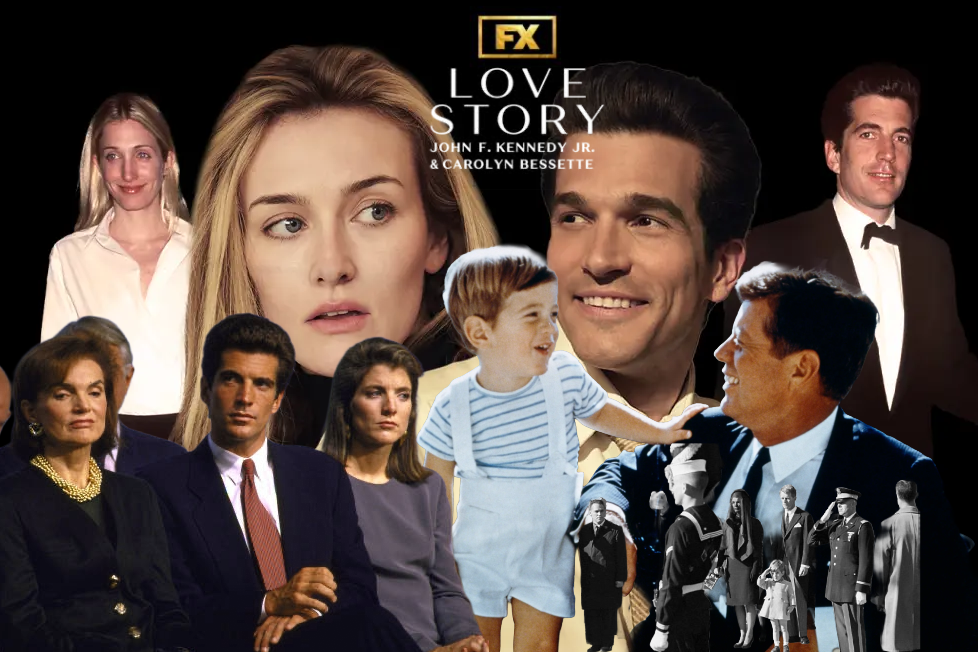
The Price of Being a Kennedy: Fame, Privacy, and Public Ownership –
America’s Royal Family Long before social media transformed ordinary lives into public performances, the Kennedy family occupied a unique place in American culture. They were not monarchs, yet they were treated as royalty. They held…
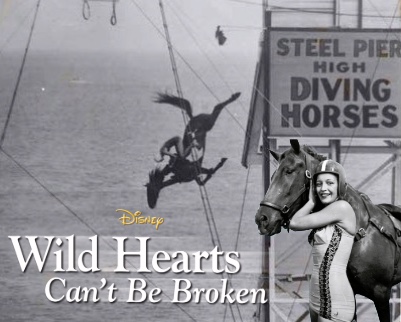
Diving Horses: Entertainment, Exploitation, or Both?
The Spectacle America Couldn’t Look Away From In the late nineteenth and early twentieth centuries, crowds packed amusement piers and traveling exhibitions to witness one of the strangest forms of entertainment in American history: horses…
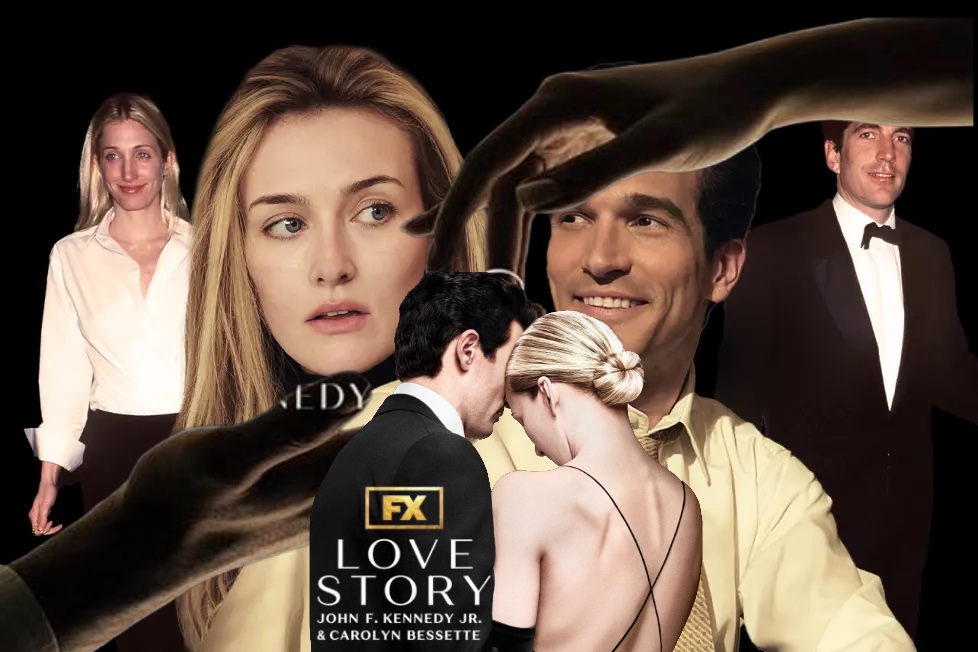
‘Love Story’ vs. History: The Real John F. Kennedy Jr. & Carolyn Bessette-Kennedy –
America’s Last Royal Romance Few modern American couples have been mythologized quite like John F. Kennedy Jr. and Carolyn Bessette-Kennedy. Long before celebrity culture became fully digitized through Instagram and TikTok, the pair existed at the intersection of…
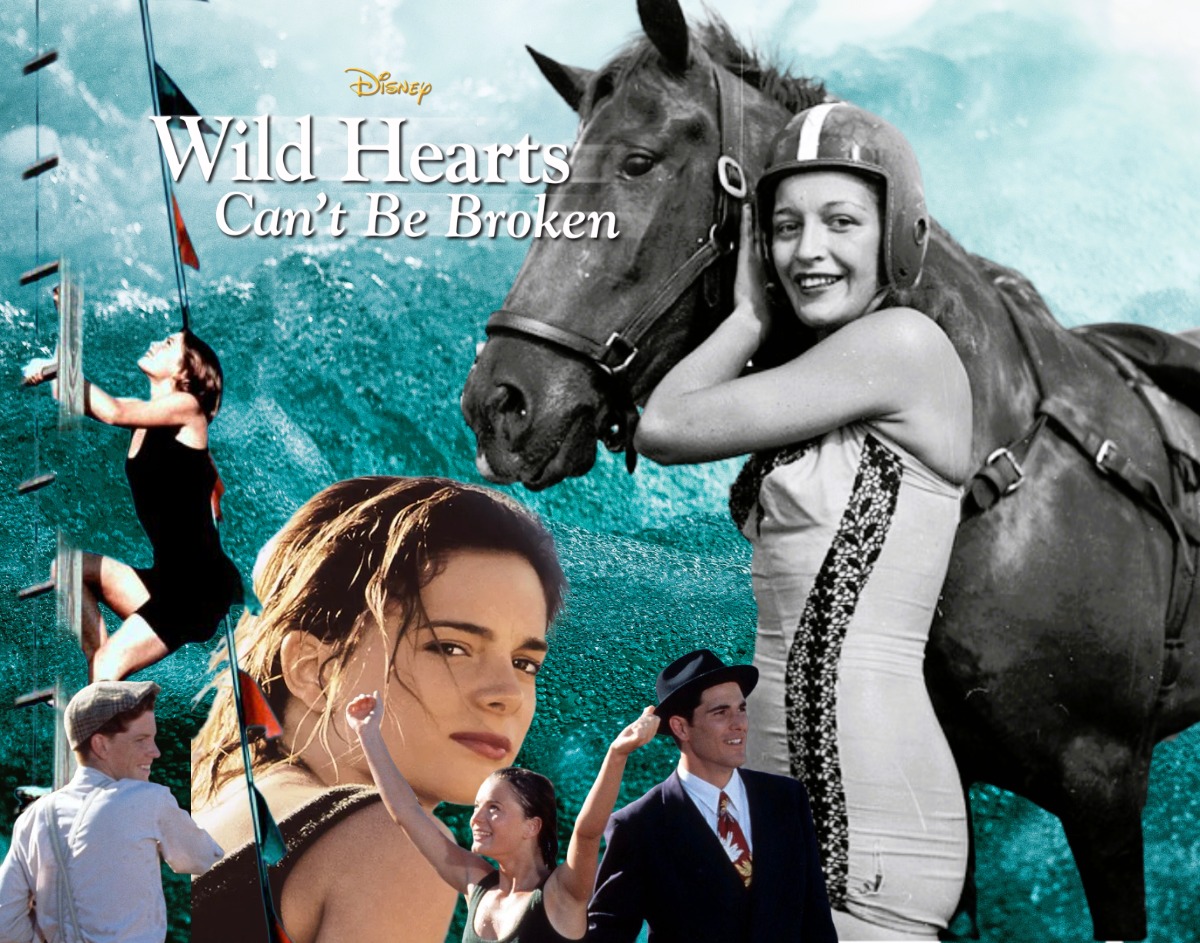
‘Wild Hearts Can’t Be Broken’ vs. History: The True Story of Sonora Webster Carver:
Disney, Depression-Era Spectacle, and the Myth of Resilience The 1991 Disney drama Wild Hearts Can’t Be Broken occupies a strange and fascinating place in the history of “based on a true story” cinema. Released during an era…
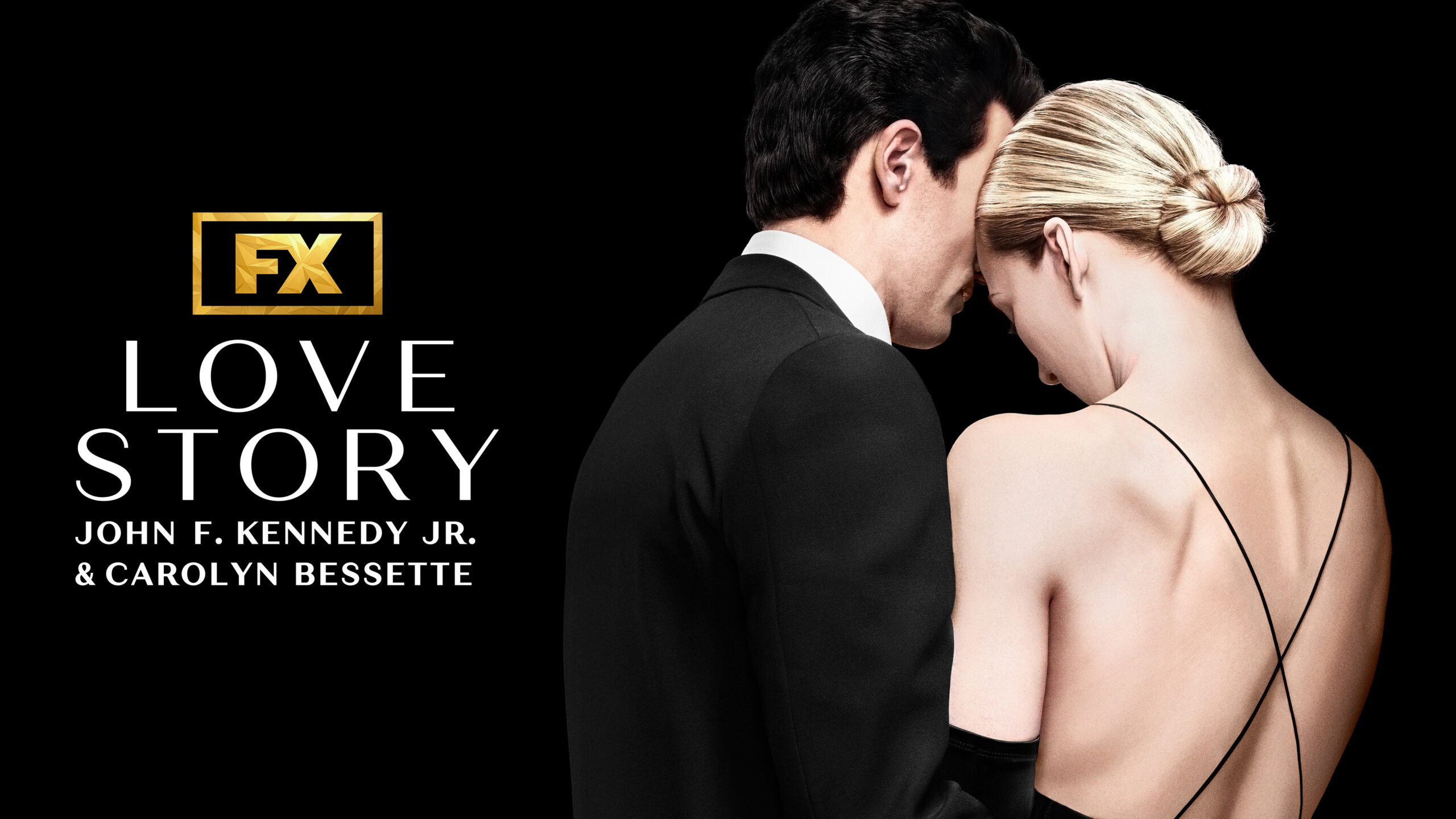
‘Love Story: John F. Kennedy Jr. & Carolyn Bessette’ (2026) – Official Trailer:
As May unfolds at MoviesToHistory.com, our Featured Television Blog of the Month turns its attention to one of America’s most mythologized modern romances: Love Story: John F. Kennedy Jr. & Carolyn Bessette. The latest installment in…
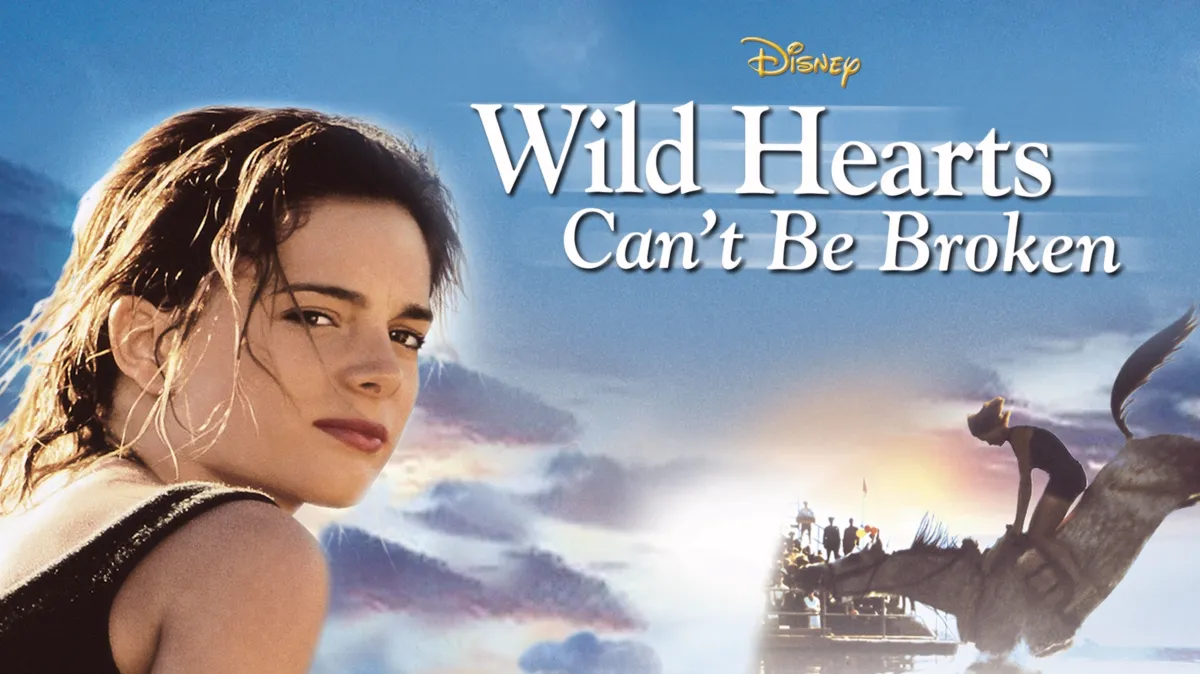
‘Wild Hearts Can’t Be Broken’ (1991) – Official Trailer:
Before Hollywood softened it into an inspirational spectacle, the story at the heart of Wild Hearts Can’t Be Broken was something far more precarious: a young woman risking her life in a collapsing Depression-era economy, performing for…
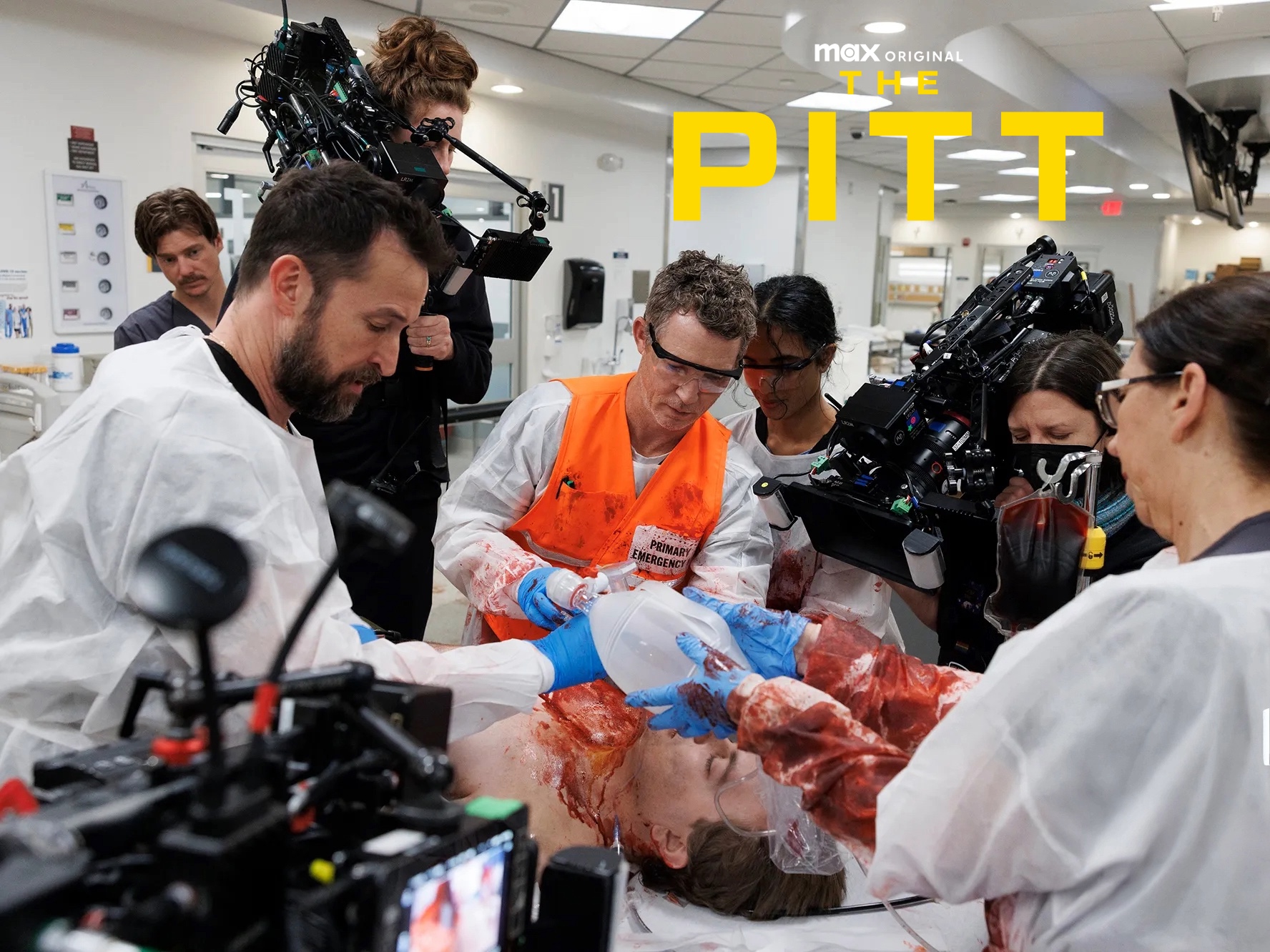
Who Owns the Story? Ethics of Turning Real Trauma into Television –
When Reality Becomes Narrative Property There is a quiet transaction at the heart of every medical drama. A patient suffers. A doctor witnesses. A writer observes — or is told. And somewhere down the line,…
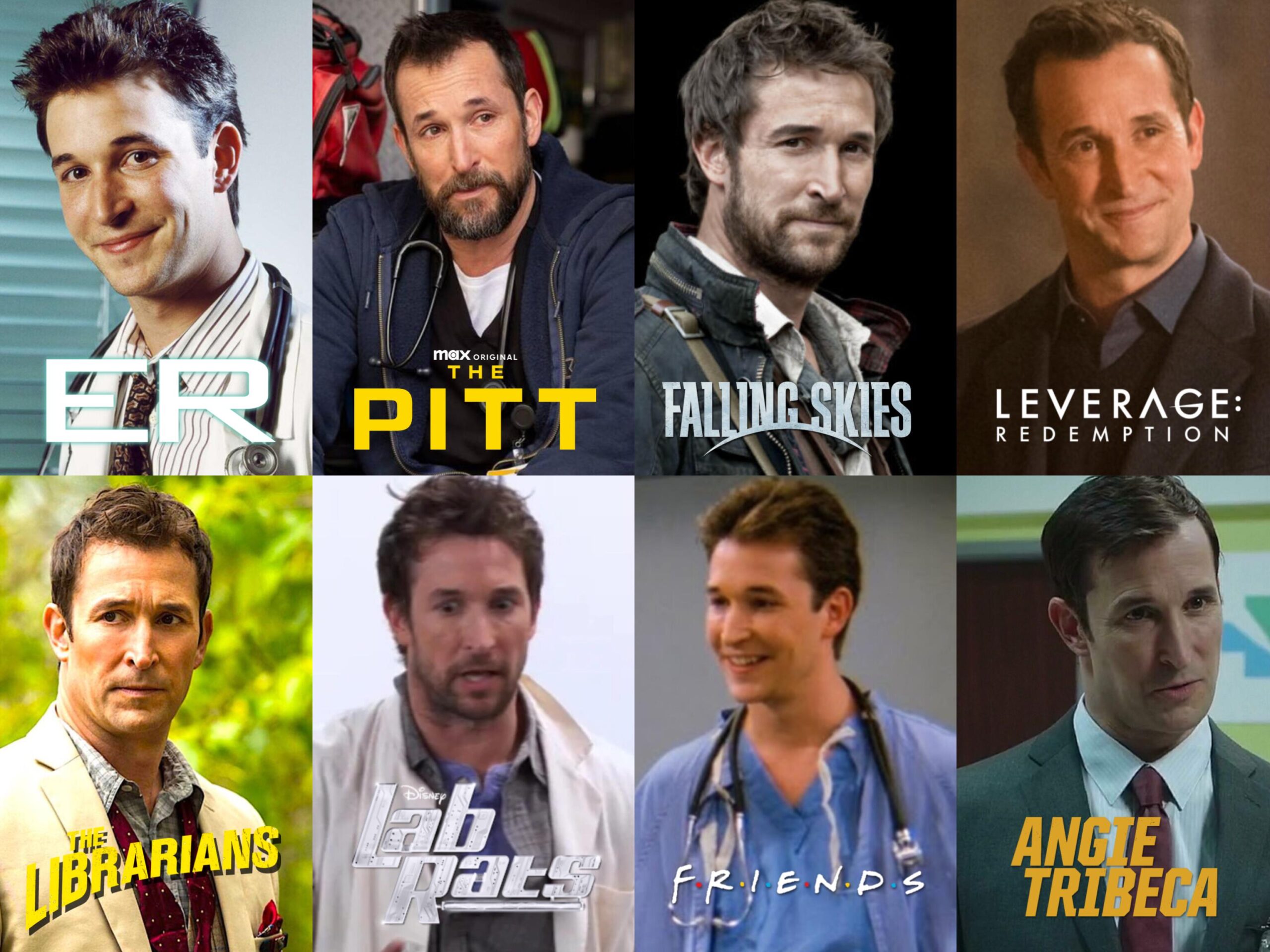
My Top Ten Noah Wyle Movies/Series:
As MoviesToHistory.com continues celebrating The Pitt as the Featured Television Blog of the Month for April, it feels like the perfect time to revisit the remarkable career of Noah Wyle — an actor whose work has spanned courtroom dramas,…
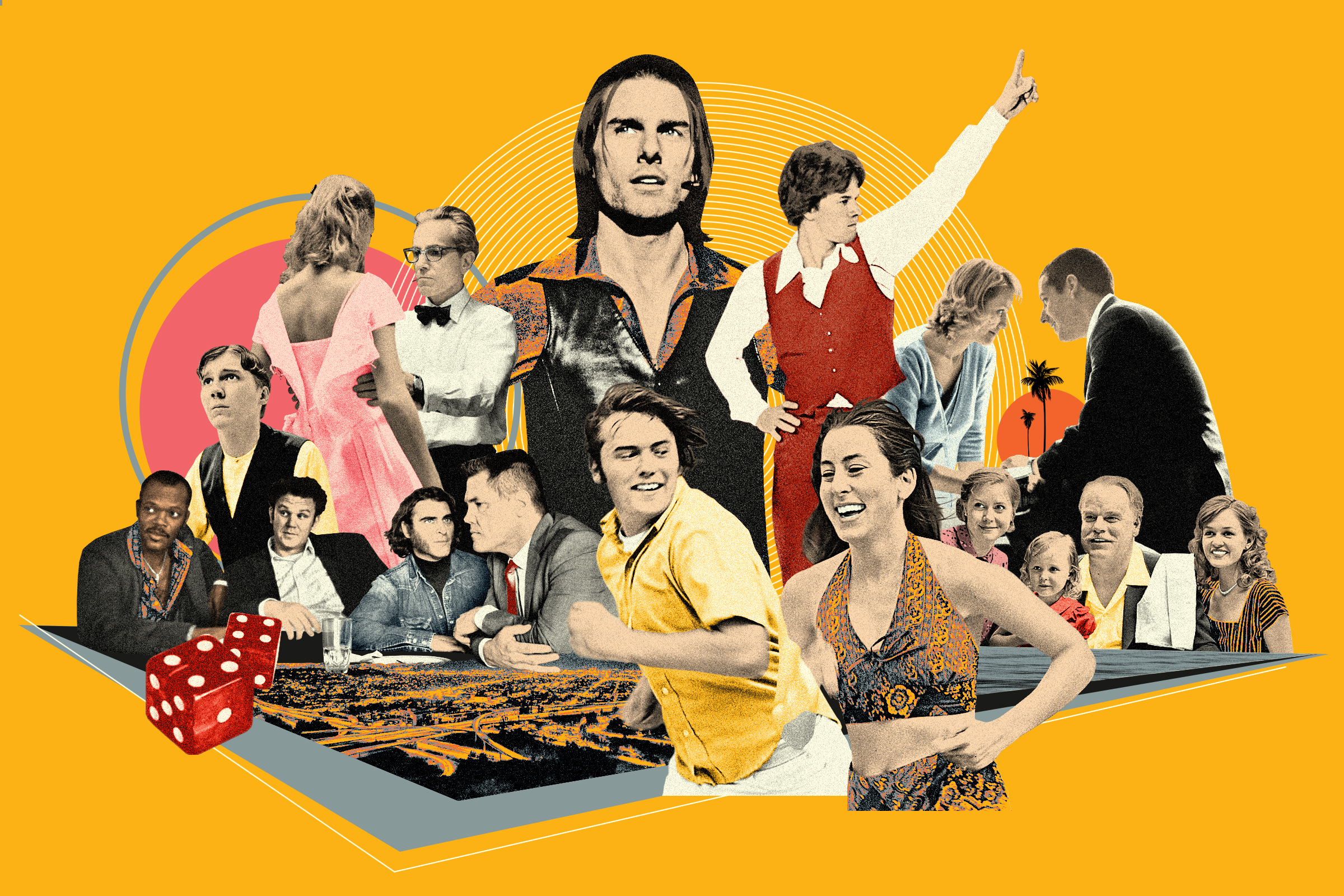
My Top Ten Paul Thomas Anderson Movies:
Few modern filmmakers have shaped contemporary American cinema quite like Paul Thomas Anderson. Across more than three decades, Anderson has built a filmography defined by emotional intensity, sprawling character studies, moral ambiguity, and an obsession with…
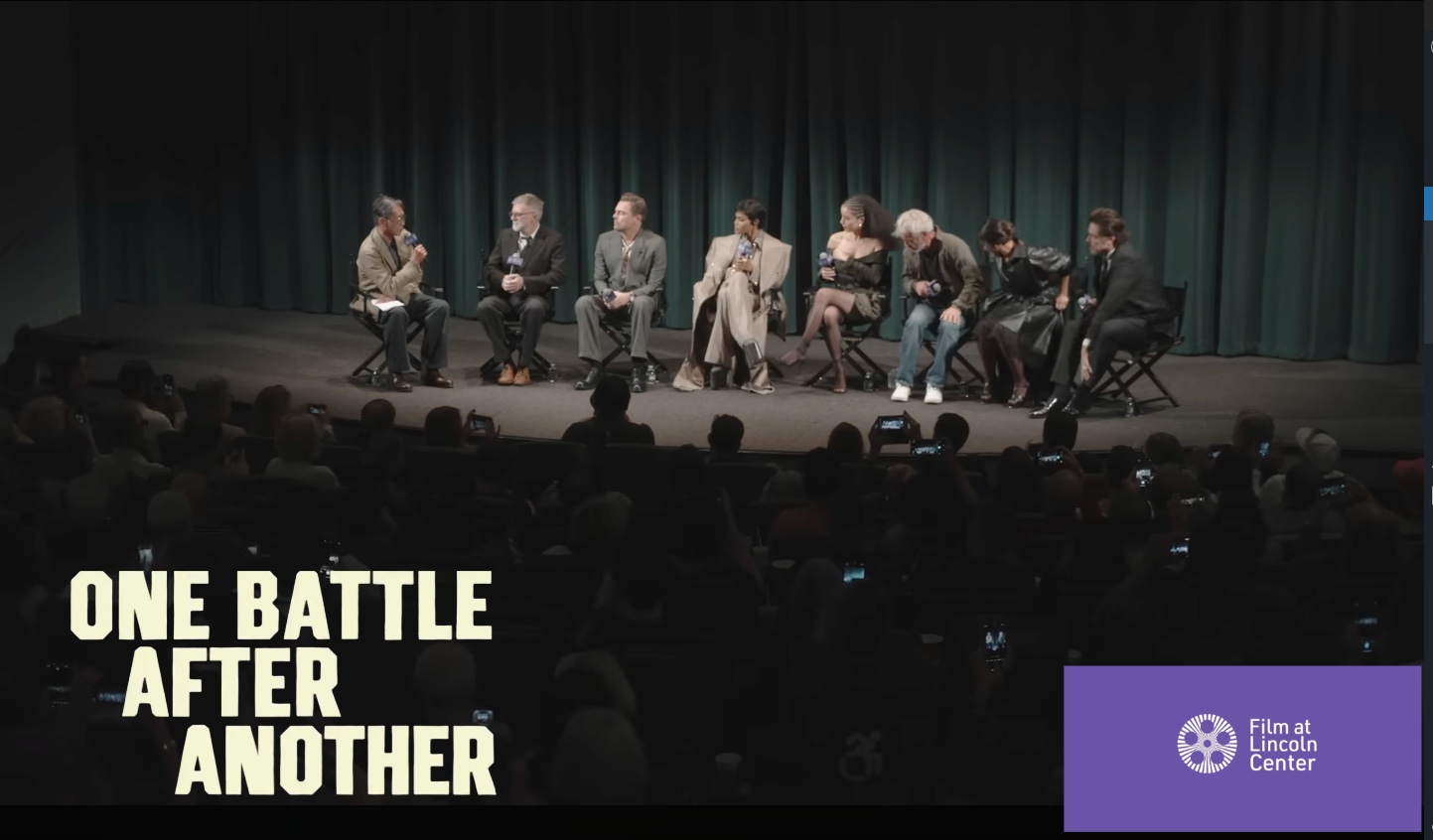
‘One Battle After Another’ – Interview:
Film at Lincoln Center - Paul Thomas Anderson, Leonardo DiCaprio, Teyana Taylor & More on One Battle After Another Few contemporary filmmakers inspire the kind of cinematic anticipation that surrounds Paul Thomas Anderson. Over the course…
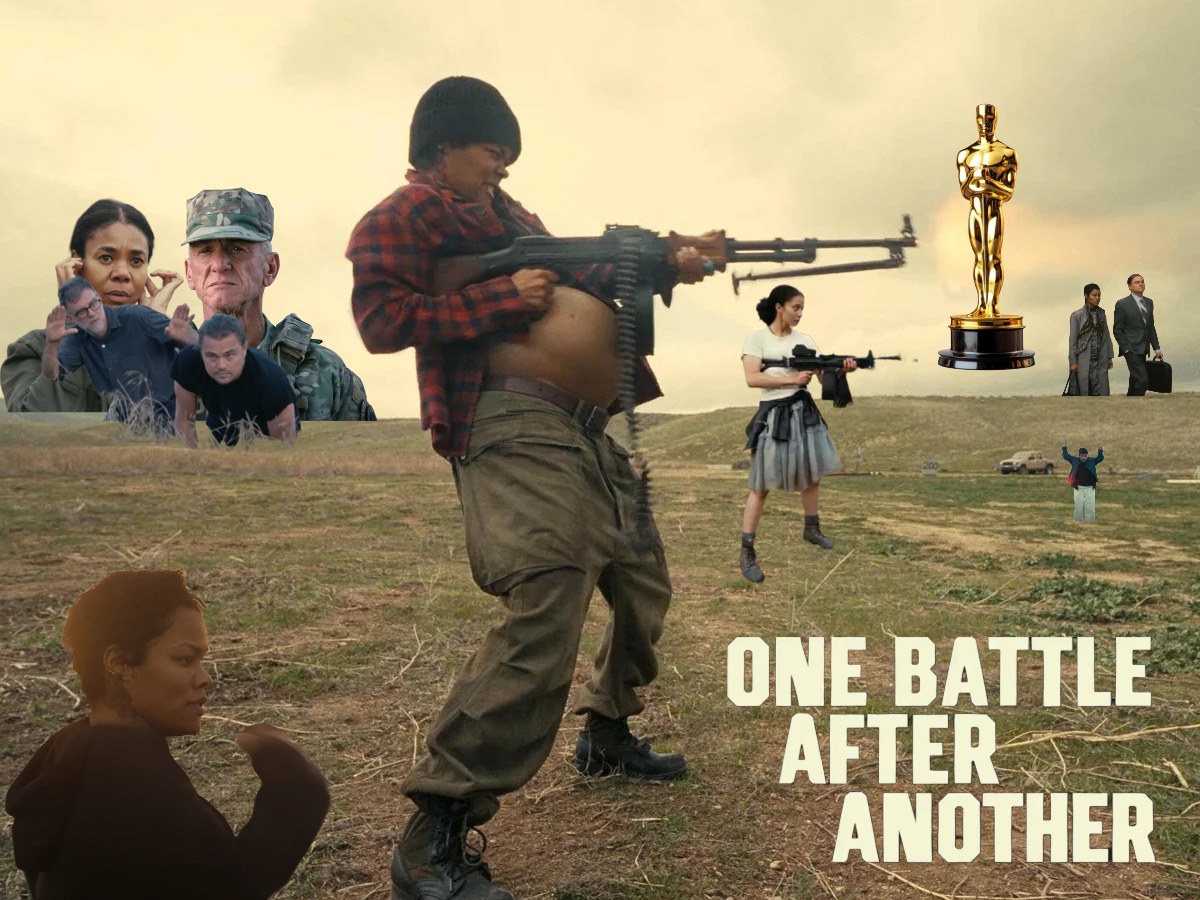
The Controversy Surrounding ‘One Battle After Another’: The Film Everyone Is Arguing About –
When a Film Becomes a Cultural Flashpoint There are films that succeed. There are films that win awards. And then there are films that detonate — culturally, politically, and ideologically. One Battle After Another, directed…
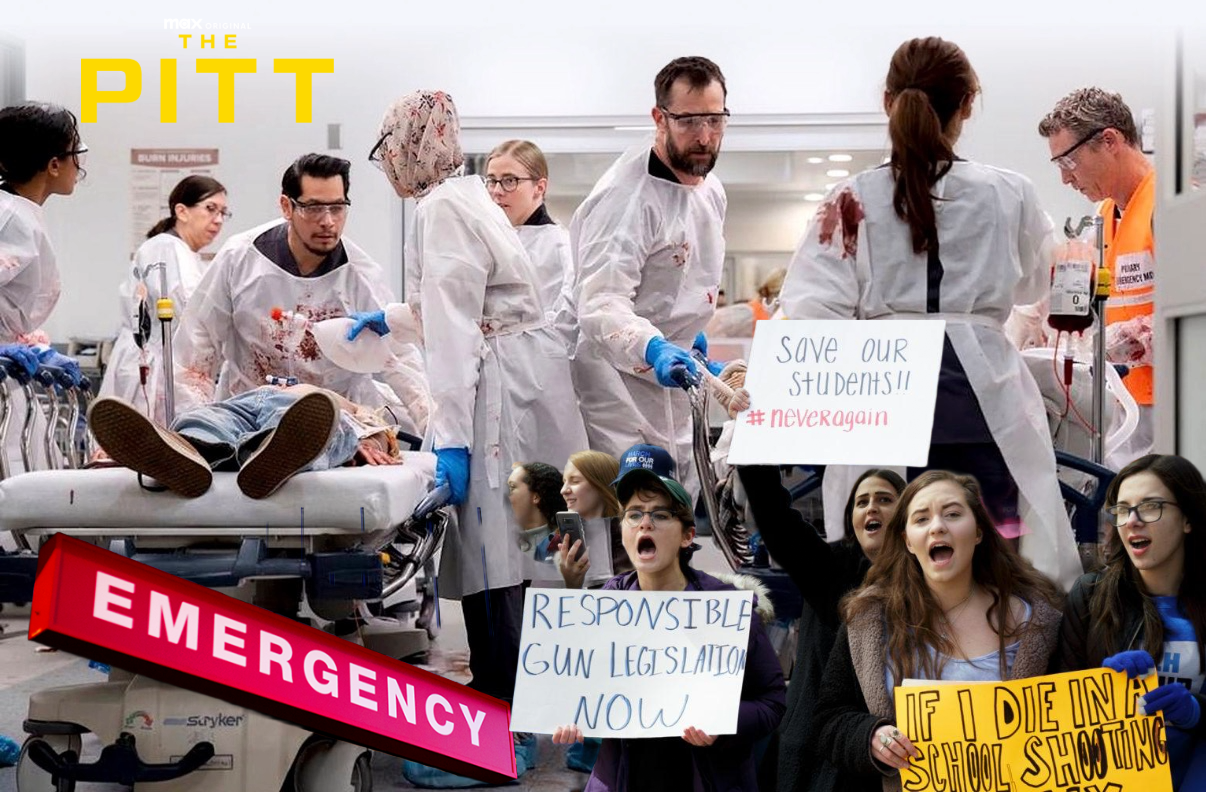
The Pitt “6:00 P.M.” Breakdown: Mass Casualty Events, Gun Violence, and the Reality ERs Face –
When Television Stops Feeling Like Fiction There is a moment in The Pitt’s episode “6:00 P.M.” when the emergency department stops functioning like a workplace and begins operating like a battlefield. The shift is not marked…
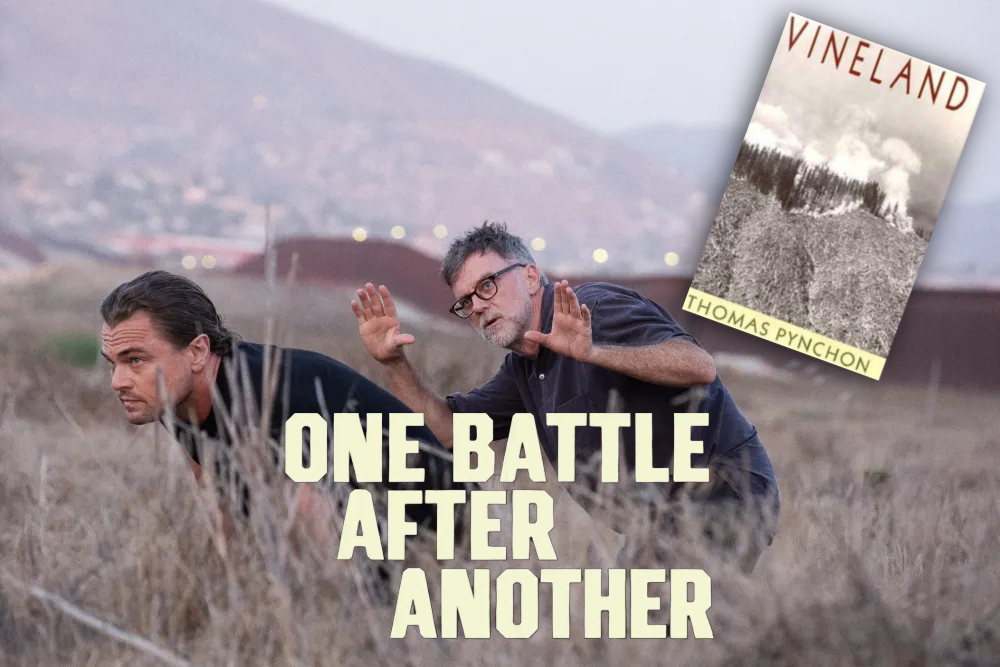
Paul Thomas Anderson’s 20-Year Mission to Adapt ‘Vineland’:
Translating the “Unfilmable”... Few modern American novels carry the same aura of mystique, density, and resistance to adaptation as Vineland. Published in 1990 by the famously reclusive Thomas Pynchon, the novel arrived as both a departure from…
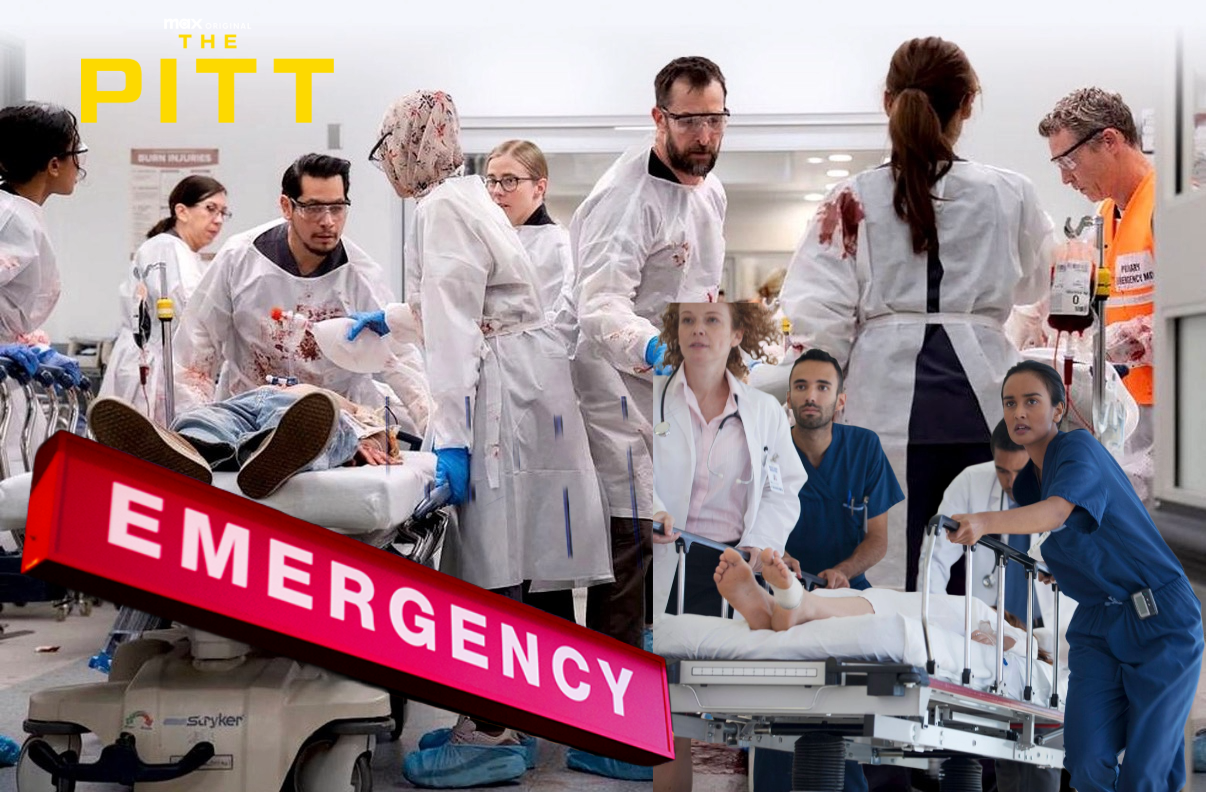
‘The Pitt’ vs. Reality: How Accurate Is Real-Time Emergency Medicine?
The Illusion of Urgency vs. the Reality of Time For decades, medical television has trained audiences to believe that emergency medicine is a sequence of crises resolved in rapid succession — a choreography of urgency…

How ‘One Battle After Another’ Won Best Picture — And Why It Matters:
The Road to the Oscars By the time One Battle After Another arrived at the 98th Academy Awards, its victory felt both inevitable and improbable — a paradox that defines many Best Picture winners in retrospect. The film…

My Top Ten Rob Reiner Movies:
Only a small number of filmmakers have shaped modern American cinema with as much heart, wit, and range as Rob Reiner. From courtroom dramas to coming-of-age classics, from romantic comedies to razor-sharp satire, Reiner’s work consistently…

Rob Reiner and the Art of Popular Integrity:
In Memoriam: Rob Reiner March 6, 1947 - December 14, 2025 Director Rob Reiner and Wife Found Dead in Brentwood Home... Hollywood mourned the tragic loss of Rob Reiner, the beloved actor, director, producer, and cultural…

Ethics & Narrative Power: Is Bobby DeLaughter the Real Hero — or Myrlie Evers?
In 1996, Ghosts of Mississippi framed the long-delayed prosecution of white supremacist Byron De La Beckwith (played by James Woods) for the 1963 assassination of civil rights leader Medgar Evers as a courtroom drama centered on a white prosecutor: Bobby…
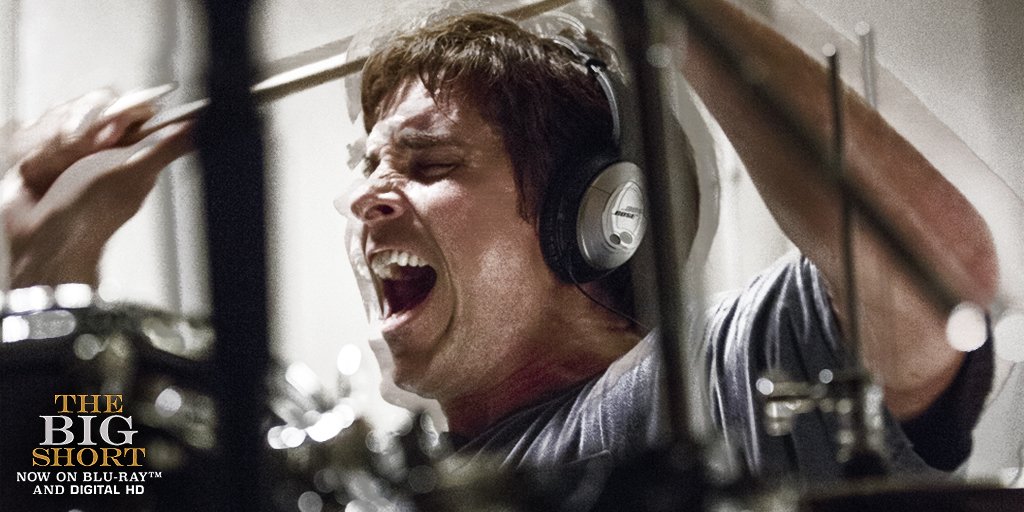
‘The Big Short’ – Official Trailer:
A Frauded Bubble... The Big Short is a 2015 biographical crime comedy-drama film directed and co-written by Adam McKay. Co-written with Charles Randolph, it is based on the 2010 book The Big Short: Inside the Doomsday Machine by Michael Lewis detailing how the 2007–2008 financial…

Why Fiction Sometimes Tells More Truth Than Documentaries: ‘Watchmen’ (2019), the Tulsa Race Massacre, and the Power of Narrative Memory –
Why Fiction Sometimes Tells More Truth Than Documentaries: 'Watchmen' (2019), the Tulsa Race Massacre, and the Power of Narrative Memory - When audiences debate historical storytelling, the argument usually defaults to a familiar hierarchy: documentaries…